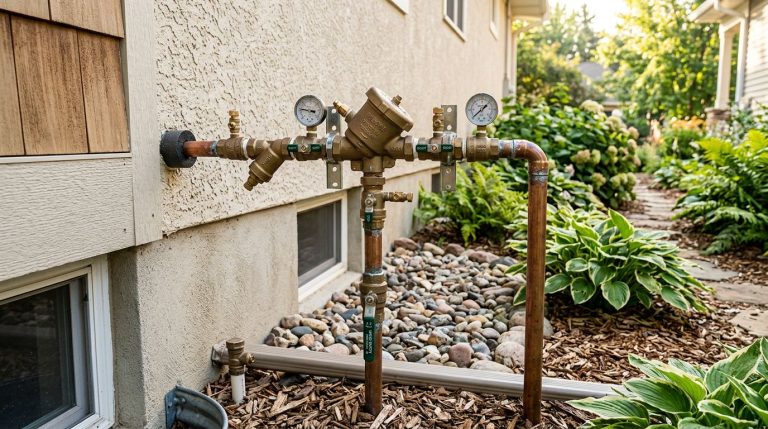

Residential Backflow Testing Process in Texas (Step-by-Step Guide)
Are you curious about the residential backflow testing process in Texas? At Safewater Backflow And Irrigation, we know that protecting your home’s water supply is crucial, and backflow testing plays a vital role in ensuring that safety. The process might seem complex, but it’s essential for preventing contaminants from entering your water system.
In this guide, we will walk you through the importance of backflow testing, how often it should be conducted, and the detailed steps involved in the process. We’ll also cover the state requirements in Texas and share tips on choosing the right professional for the job. Plus, we’ll offer advice on how homeowners can help prevent backflow issues. Let’s dive in and explore how to keep your water safe in Austin and the surrounding areas!
What Is Backflow and Why Is Testing Important in Residential Areas?
Backflow is a term many folks might not be familiar with, yet it poses a significant risk to residential water systems. Put simply, backflow occurs when the flow of water reverses direction in a plumbing system—potentially allowing contaminants to enter the clean water supply.
This can happen due to various reasons such as pressure changes, pipe leaks, or sudden increases in water demand. When backflow occurs, substances from sources like irrigation systems, pools, or even the ground can make their way into your drinking water.
This is why backflow testing is so IMPORTANT in residential areas. Regular testing ensures that the mechanisms designed to prevent backflow—like backflow preventers—are functioning correctly. It protects your family and neighbors by keeping the water supply safe and clean.
Without proper testing, residents run the risk of contaminating their water with chemicals, fertilizers, or bacteria. So, backflow testing isn’t just a regulatory requirement; it’s essential for healthy living and maintaining water quality.
How Often Should Backflow Testing Be Conducted in Texas?
In Texas, backflow testing isn’t just a one-time deal—it’s a routine necessity. Regular testing ensures your drinking water stays safe and free from contamination. But how often should you schedule these checks? Well, it’s all about maintaining peace of mind (and complying with state regulations).
Here’s what you need to know about backflow testing frequency in Texas:
- Annual Testing: Most residential properties are required to have backflow testing done once a year. This helps quickly identify and resolve any issues before they become significant problems.
- Frequency May Vary: Depending on the plumbing configuration and local ordinances, some areas might require more frequent testing. Check with your local water authority to be sure.
- After Repairs or Modifications: If you’ve had any changes or repairs done to your backflow prevention device, an immediate test is essential to ensure everything is functioning correctly.
- Commercial Properties: Businesses might face more stringent requirements, including multiple tests per year, due to higher risk factors associated with commercial water usage.
Regular testing isn’t just about ticking a box—it’s about maintaining a healthy, safe water supply. When in doubt, consult with a professional to determine the testing schedule best suited for your situation.
What Are the State Requirements for Backflow Testing in Texas?
Understanding the state requirements for backflow testing in Texas is crucial for maintaining water safety and system compliance. The state—with its diverse climate and sprawling urban areas—has clear and enforced regulations that every homeowner should be aware of to prevent contamination of drinking water supplies.
Mandatory Testing and Inspection
Texas mandates regular testing of backflow prevention devices. This must be done by a certified tester to ensure that no contaminants are flowing backward into the potable water supply.
Certification of Testers
Only certified professionals can conduct backflow testing in Texas. These individuals must have undergone the necessary training and hold valid certifications to perform accurate tests and reliable maintenance.
Frequency of Testing
The state generally requires annual testing of backflow prevention devices. However, local municipalities may have additional or stricter regulations—so it’s important to check the specific requirements in your area.
Documentation and Record Keeping
Finished tests must be documented and records kept as required by both local and state regulations. Proper documentation ensures compliance and provides a paper trail if questions or issues arise.
If you’re unsure about the specific requirements in your location, contact local water authorities or a trusted professional for guidance. Keeping up with these regulations not only ensures compliance but also secures your community’s drinking water from potential contamination.
What Steps Are Involved in the Backflow Testing Process?
The backflow testing process in Texas is a crucial step in maintaining a safe water supply. It ensures that the clean water flowing into residential properties isn’t contaminated by water from other sources. Understanding this process will help homeowners stay compliant with regulations and safeguard their water supply. Here’s a step-by-step breakdown of what you can expect during the backflow testing process:
- Initial Inspection: A licensed backflow testing professional will begin by inspecting your backflow prevention device. They will check for visible damage, ensuring all components are intact and operational.
- Device Shutdown: The water supply to your home may be temporarily shut off to allow the tester to evaluate the device’s functionality under controlled conditions.
- Pressure Testing: The professional will conduct a series of tests to measure the pressure and ensure that the device properly prevents backflow. This includes checking for any leaks or failures in the system.
- Documentation: The results of the test are documented. If the device is functioning correctly, the professional will issue a report that confirms compliance. If issues are detected, they will recommend repairs or replacements.
- Follow-Up Actions: If repairs are necessary, the homeowner will need to address these issues promptly. The tester may return to reevaluate the device after repairs are completed, ensuring compliance with state regulations.
Regular testing and maintenance of your backflow prevention device not only comply with Texas state requirements but also protect your home’s water supply from contamination. Next, we’ll explore how to select a qualified professional for conducting backflow tests in Texas.
How to Choose a Professional for Backflow Testing in Texas
Choosing the right professional for backflow testing in Texas is crucial to ensure safety and compliance with local regulations. The correct specialist will provide quality service, proper reporting, and peace of mind. Here are some tips to guide you in selecting a reliable backflow tester:
- Verify Licensing: Ensure the tester is licensed by the Texas Commission on Environmental Quality (TCEQ). This certification guarantees they have met the necessary state requirements.
- Experience Matters: Look for professionals with ample experience in the field. Experienced testers will handle the process efficiently and identify issues promptly.
- Check References: Ask for references or read online reviews. Previous customer experiences can provide insight into the tester’s reliability and professionalism.
- Pricing and Transparency: Get a clear and detailed estimate of costs upfront. Beware of hidden fees. Transparent pricing is a sign of honesty and integrity.
- Insurance: Confirm that the professional carries liability insurance. This protects you from potential damages or accidents during the testing process.
- Knowledge of Local Regulations: Make sure the professional is well-versed in Texas-specific regulations and industry standards. This ensures compliance and prevents future legal issues.
Selecting the right professional doesn’t just ensure compliance—it also protects your home’s water system and keeps your family safe. Take time to research and choose someone who meets these critical criteria for optimal results.
What Can Homeowners Do to Prevent Backflow Issues?
Preventing backflow is essential for maintaining a safe and clean water supply at home. Backflow occurs when contaminants flow backward into the potable water system, which can lead to health hazards. Homeowners can take specific steps to mitigate this risk and ensure their water remains safe and uncontaminated.
Install Backflow Prevention Devices
The most effective way to prevent backflow is by installing backflow prevention devices. These devices create a one-way path for water, blocking any backward flow. Check valves and air gaps are common types of backflow prevention mechanisms. Professional plumbers can help you choose and install the right device for your home.
Regular Maintenance and Testing
Regular maintenance and testing are crucial for ensuring that backflow prevention devices function properly. Annual tests conducted by a certified professional help identify any faults early on. Prompt repairs or replacements ensure continued protection against contaminants.
Avoid Cross-Connections
A cross-connection is a point where contaminated water could potentially mix with the potable water supply. Be vigilant about maintaining a sufficient separation between these two systems. Avoid using hoses or taps that could inadvertently create a cross-connection.
Educate Household Members
Make sure everyone in your household understands the importance of preventing backflow. Simple habits, like not submerging hoses in buckets or pools, can drastically reduce the risk of contamination.
By implementing these preventive measures, homeowners can protect their water supply from backflow issues and safeguard the health of their family. Always consult with professionals for installation and regular checks of backflow prevention systems to ensure maximum efficacy.
Conclusion
Conducting regular residential backflow testing is crucial for safeguarding your home’s water quality and preventing any potential contamination. Understanding the step-by-step process of backflow testing helps homeowners in Texas stay compliant with local regulations and ensures the safety of their drinking water supply. This proactive approach not only protects your family but also aids in maintaining the integrity of the broader community water system.
At Safewater Backflow And Irrigation, we are dedicated to providing top-notch backflow testing services in the Austin area, including Jollyville, Round Rock, and beyond. With our expertise and commitment to excellence, you can rest assured that your backflow prevention needs are handled efficiently and professionally. For reliable residential backflow testing and related services, contact us at 512-605-9790 or email us at brad@safewateratx.com. Let us help you protect your home and community today!