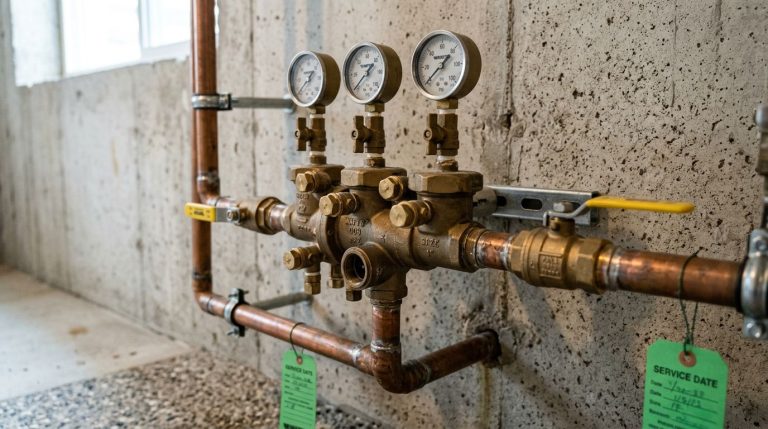

Residential Backflow Preventer Installation (2026 How-To Guide)
Installing a residential backflow preventer is one of the smartest things you can do to protect your family’s drinking water. At Safewater Backflow And Irrigation, we help homeowners across the Austin area keep their water clean and their plumbing up to code. A backflow preventer stops dirty water from flowing backward into your clean supply, and getting it installed correctly matters more than most people realize.
In this 2026 how-to guide, we will walk you through what these devices do, the types available, the tools you need, and the exact steps to install one. We will also cover costs, permits, and the mistakes we see far too often. Let us dig in.
What Is a Residential Backflow Preventer and How Does It Work
A residential backflow preventer is a device that keeps water flowing in ONE direction only. Normally, water moves from the city main into your home. But sometimes pressure changes can reverse that flow. When that happens, contaminated water from your yard, irrigation system, or plumbing can get sucked back into the clean supply. A backflow preventer blocks that reversal.
Think of it as a one-way gate. It lets clean water in but slams shut the moment water tries to go the wrong way. This simple job protects your health in a big way. If you want a deeper look at the science behind it, we explain how backflow preventers protect drinking water in more detail.
What Causes Backflow in the First Place
Two main things cause backflow. The first is back-pressure, which happens when the pressure in your home system rises above the city supply. The second is back-siphonage, which happens when the city pressure drops suddenly, like during a water main break or heavy fire hydrant use nearby.
Where Backflow Preventers Are Usually Installed
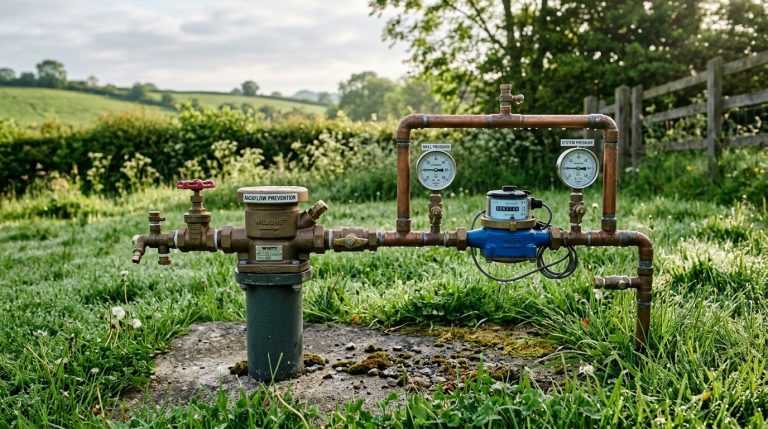
Most homes need a backflow preventer on the irrigation system. That is because sprinkler lines sit in soil full of fertilizer, pesticides, and bacteria. Some homes also need them on pools, boilers, or dedicated water features. The device is typically installed just after the water meter or where the irrigation line branches off.
Types of Backflow Preventers for Home Use
Not every backflow preventer is the same. The right one depends on your hazard level and local code. Some are simple and cheap. Others are more robust and required for higher-risk connections. Here are the most common types you will run into for residential use.
- Atmospheric Vacuum Breaker (AVB): A basic and affordable option often used on individual sprinkler zones. It cannot handle constant pressure and must be installed above the highest outlet.
- Pressure Vacuum Breaker (PVB): One of the MOST popular choices for home irrigation. It handles constant pressure and is easy to test. It must sit above ground and above the highest sprinkler head.
- Double Check Valve Assembly (DCVA): Uses two check valves for extra protection. Good for moderate hazards and can be installed below grade in some cases.
- Reduced Pressure Zone Assembly (RPZ): The HIGHEST level of protection. Required for high-hazard connections. It is more expensive and needs a drain because it releases water when it activates.
- Hose Bibb Vacuum Breaker: A small device that screws onto outdoor faucets. Cheap, simple, and great for garden hoses.
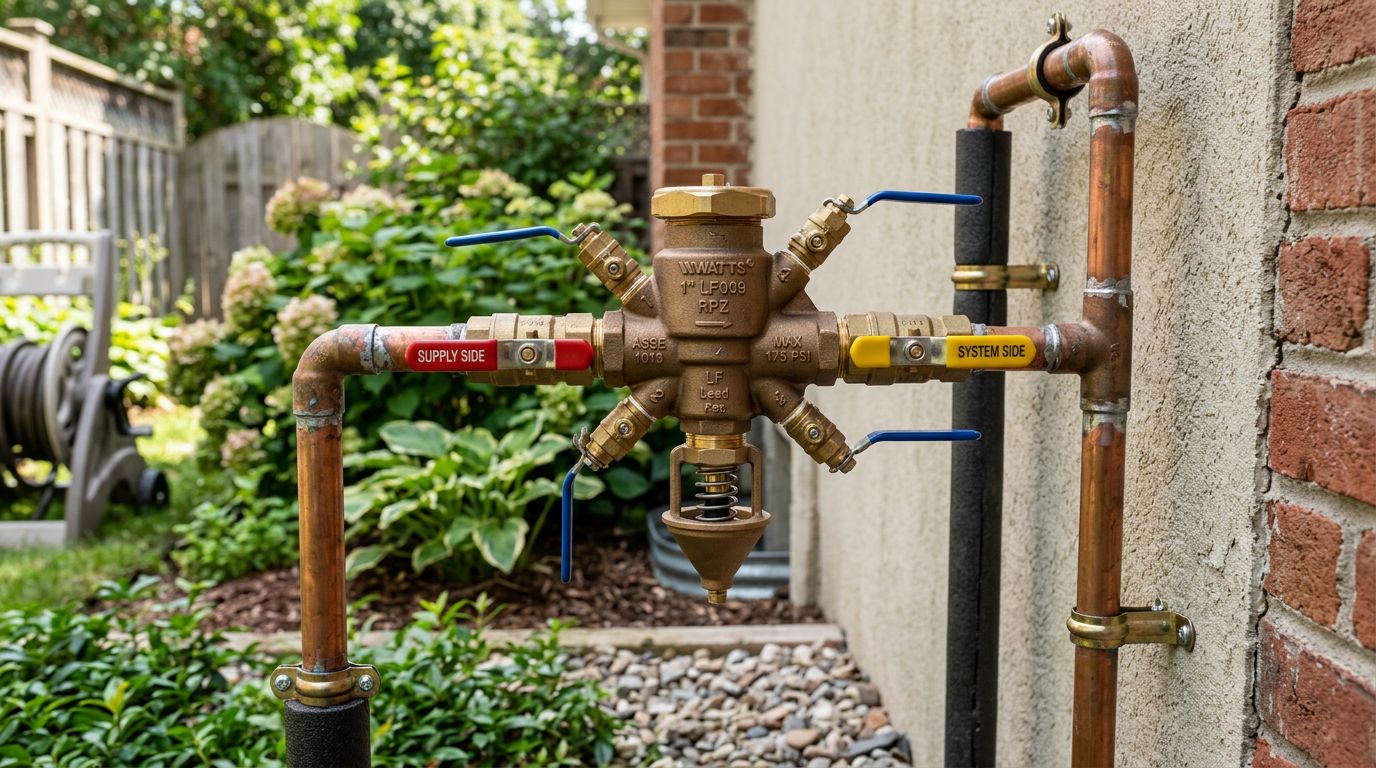
Tools and Materials Needed for Installation
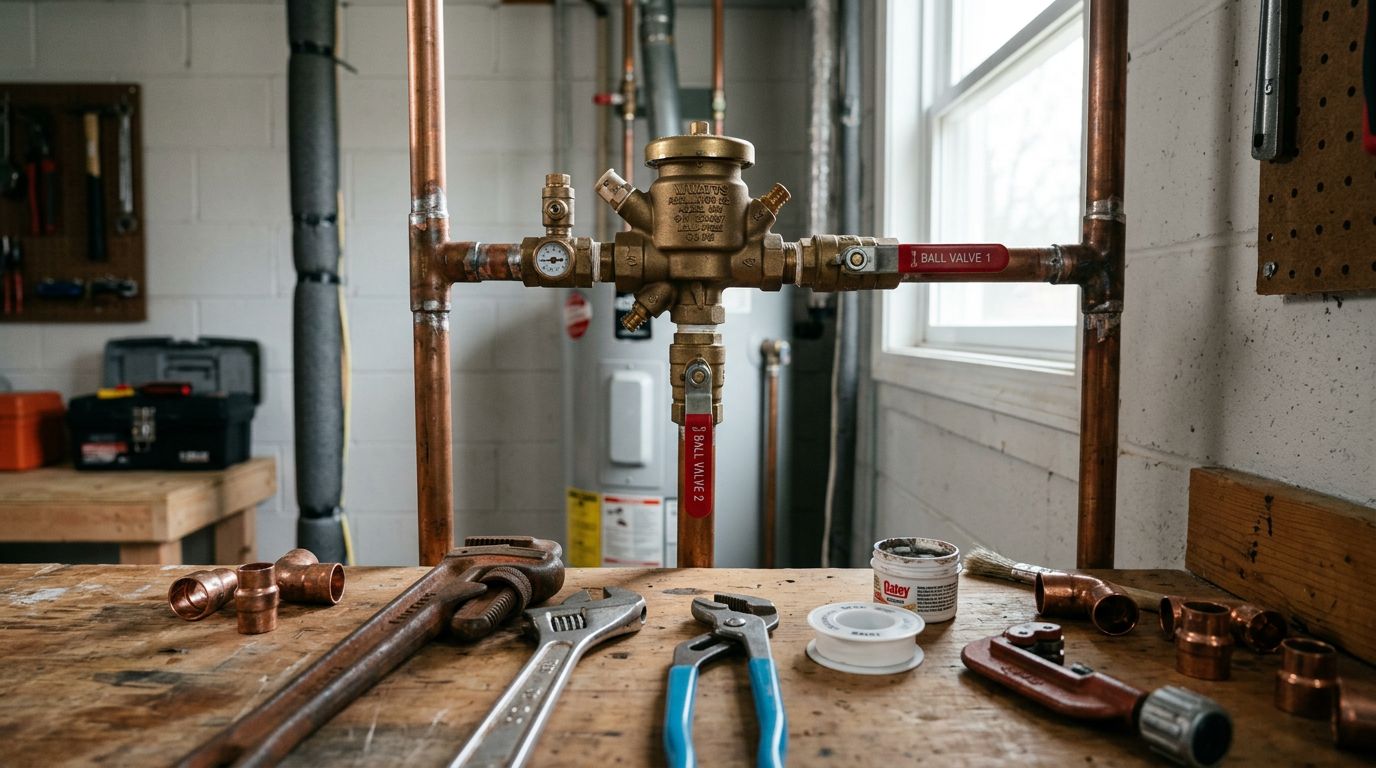
Before you start any installation, gather everything you need. Nothing is worse than shutting off the water and realizing you are missing a fitting. Having the right tools makes the job faster and cleaner. Here is what we recommend keeping on hand for a standard residential backflow preventer install.
- The correct backflow preventer for your system and local code
- Pipe wrench and adjustable wrench
- Pipe cutter or hacksaw
- Teflon tape and pipe thread sealant
- PVC primer and cement (if working with PVC)
- Brass or PVC fittings and unions
- Shutoff valves for both sides of the device
- Tape measure and marker
- Deburring tool or file
- Bucket and towels for spillage
- Safety glasses and gloves
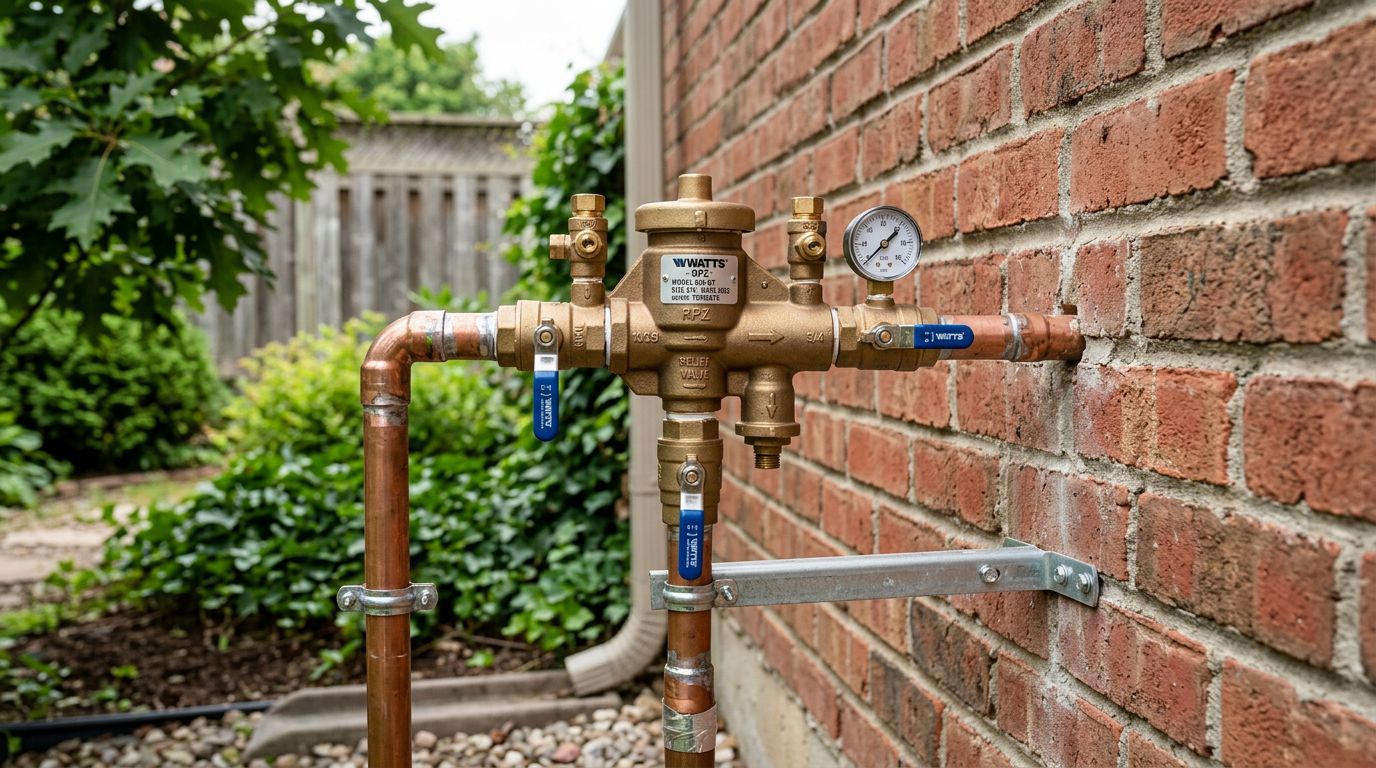
If any of this feels overwhelming, that is a sign it might be worth calling a licensed pro. We handle these installs and tests every day across the Austin area.
How to Install a Residential Backflow Preventer Step by Step
Here is the process we follow for a clean, code-compliant installation. Keep in mind that local rules in Texas require testing after installation, so plan for that step too. You can learn about the residential backflow testing process in Texas to know what to expect once the device is in place.
- Turn off the water. Shut off the main supply or the irrigation line valve. Open a downstream faucet or sprinkler to relieve pressure and drain the line.
- Choose the location. Pick a spot that meets code height requirements. For a PVB, the device must sit at least 12 inches above the highest downstream outlet. Check your local code first.
- Cut and prep the pipe. Measure carefully, then cut the pipe where the device will go. Deburr the edges so fittings seat properly.
- Dry fit everything. Assemble the backflow preventer, shutoff valves, and fittings without glue first. Make sure the flow arrow points in the right direction and everything lines up.
- Connect the fittings. Use Teflon tape on threaded joints. For PVC, apply primer then cement and hold the joint firm for a few seconds. Tighten brass fittings snug but do not overtighten.
- Install the device level. Make sure the backflow preventer is level and oriented correctly. A crooked install can cause it to fail testing.
- Turn the water back on slowly. Open the upstream valve gradually to avoid pressure spikes. Watch for leaks at every joint.
- Check for leaks and test. Look over the whole assembly. Once it holds pressure, schedule a certified test to confirm it works and satisfies local rules.
Backflow Preventer Installation Cost and Permit Requirements
Cost and permits vary depending on where you live and what type of device you need. Most Texas cities, including Austin and surrounding towns, require a permit for backflow installation and mandatory testing by a certified tester. It is a good idea to understand the rules before you buy anything. Our overview of backflow testing in Texas covers what the state expects from homeowners.
What Affects the Cost
Several things move the price up or down. The type of device is the biggest factor. A simple hose bibb vacuum breaker costs just a few dollars. A full RPZ assembly with professional install can run into the hundreds. Labor, pipe material, and how accessible the location is also matter. If your yard needs trenching or extra fittings, expect the cost to climb.
Permit and Testing Requirements
In most local jurisdictions, you cannot legally skip the permit or the test. After installation, a licensed and certified tester must verify the device works. Many cities require annual testing after that. Keeping your records current avoids fines and protects your water. We recommend saving every test report in one place so you never scramble at renewal time.
Do You Need a Professional
Some homeowners can handle a basic vacuum breaker. But higher-hazard devices and permit-required installs often need a licensed installer. In Texas, the required testing MUST be done by a certified tester no matter who installs the device. When in doubt, hiring a pro saves time and prevents failed inspections.
Common Backflow Preventer Installation Mistakes to Avoid
We have seen plenty of DIY installs that looked fine but failed testing. Small errors can cause big problems. Avoiding these common mistakes will save you money and headaches down the road. Here are the ones we run into most often.
- Installing at the wrong height. PVBs and AVBs have strict height rules. Too low, and they will not function or pass inspection.
- Ignoring the flow direction. Every backflow preventer has a flow arrow. Install it backward and the device is useless.
- Skipping the permit. Many homeowners forget this step and face fines or forced reinstalls later.
- Overtightening fittings. Cranking brass connections too hard can crack the body and cause slow leaks.
- Forgetting the required test. An install is not complete until a certified tester confirms it works.
- Choosing the wrong device. Using a low-protection unit on a high-hazard connection puts your water at risk.
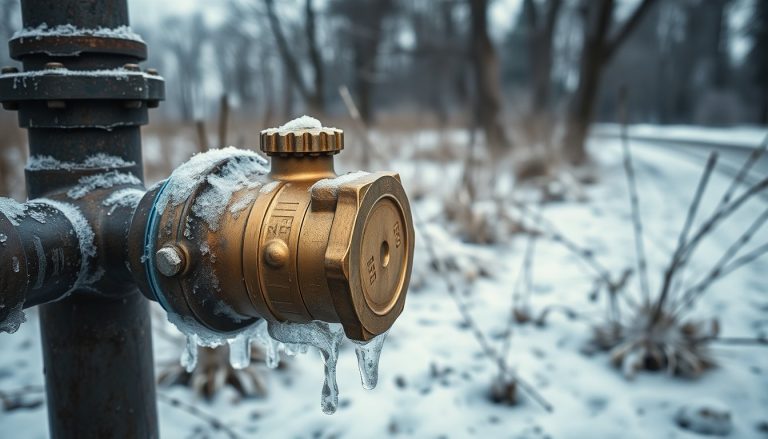
- Poor placement for winter. Above-ground devices can freeze. Leaving them exposed in cold snaps can crack the assembly.
We serve homeowners in Austin, Jollyville, Round Rock, Anderson Mill, Kyle, San Marcos, Pflugerville, Cedar Park, Leander, Georgetown, and West Lake Hills. Wherever you are in the area, a proper install and test keeps your water safe.
Conclusion
A residential backflow preventer is a small device with a HUGE job. It keeps contaminated water from creeping back into your clean supply. In this guide we covered how these devices work, the types available, the tools you need, the step-by-step install process, plus cost, permits, and mistakes to dodge.
Getting it done right the first time protects your family and keeps you compliant with local code. If you want expert help with installation, testing, or annual inspections, our team at Safewater Backflow And Irrigation is ready to make sure your system works exactly as it should. Reach out and let us help you keep your water clean and safe.