
Irrigation System Assessment Signs (Warning Guide 2026)
Your irrigation system works hard all year long. It keeps your lawn green, your plants healthy, and your landscape looking sharp. But like any system with moving parts and water pressure, it can wear down over time. Knowing the right irrigation system assessment signs can save you money, water, and a lot of frustration before a small issue turns into a big one.
At Safewater Backflow And Irrigation, we help homeowners and businesses across Austin and the surrounding areas keep their water systems running safely and efficiently. In this 2026 warning guide, we will walk you through the signs to watch for, how to assess your system, what causes failures, and when it makes sense to repair or replace.
What Are the Common Signs of Irrigation System Problems
Most irrigation problems start small. A slow leak here, a dry patch there. The trouble is that these signs are easy to ignore until your water bill spikes or your lawn starts to suffer. The key is knowing what to look for BEFORE the damage spreads. Below are the most common warning signs we see when inspecting irrigation systems in Central Texas.
- Uneven watering – some areas of your lawn look lush while others turn brown or patchy.
- Sudden spike in your water bill – a hidden leak often shows up on your bill before you can see it.
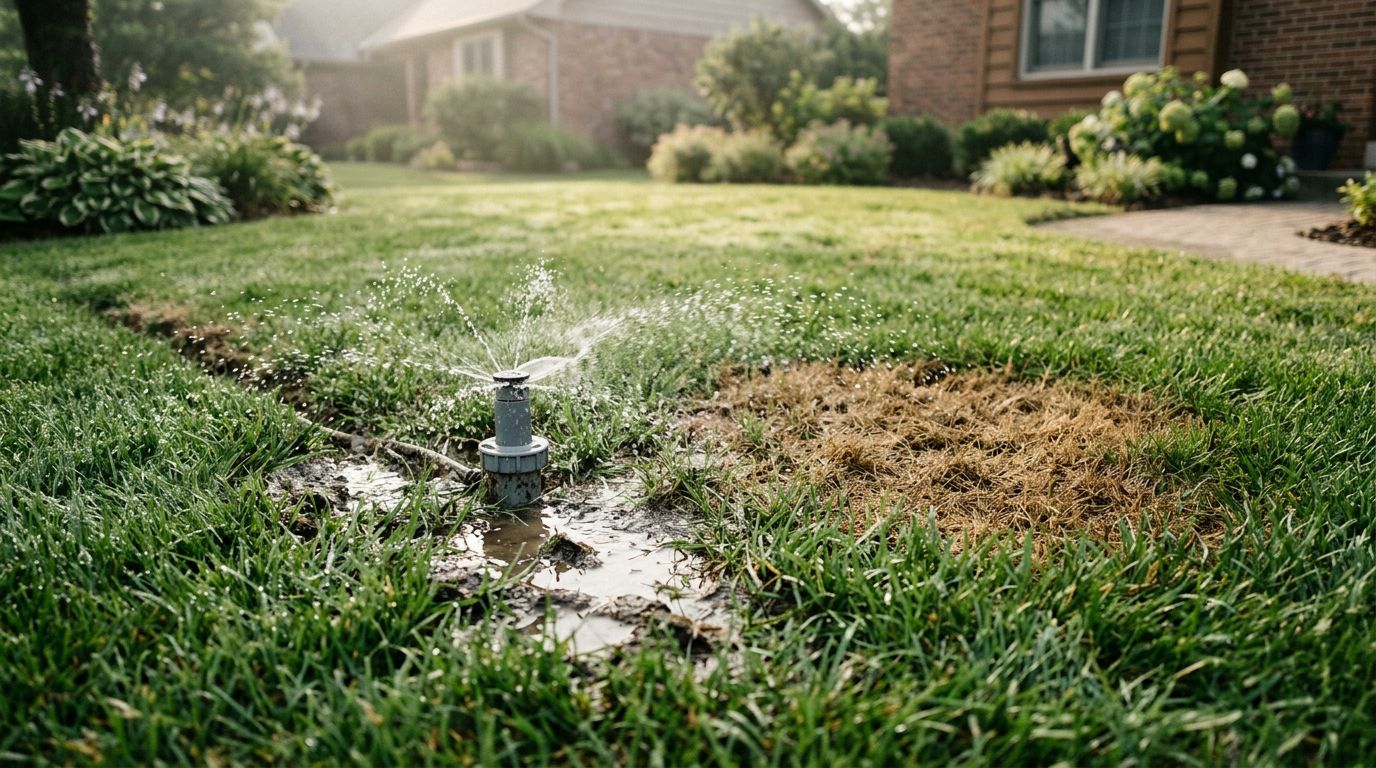
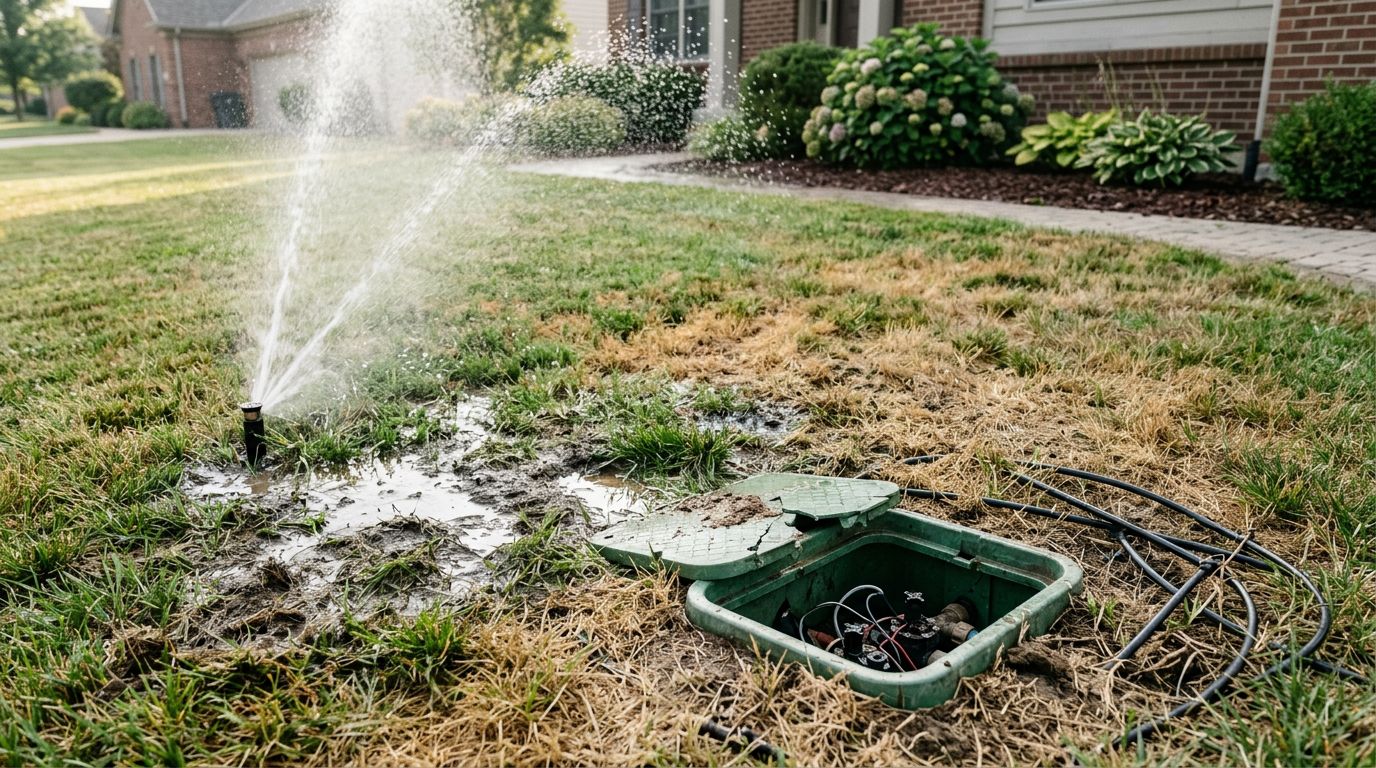
- Pooling or soggy spots – standing water usually means a broken line or a stuck valve.
- Low water pressure – weak spray or sprinkler heads that barely pop up.
- Sprinkler heads spraying sidewalks or driveways – misaligned heads waste water and money.
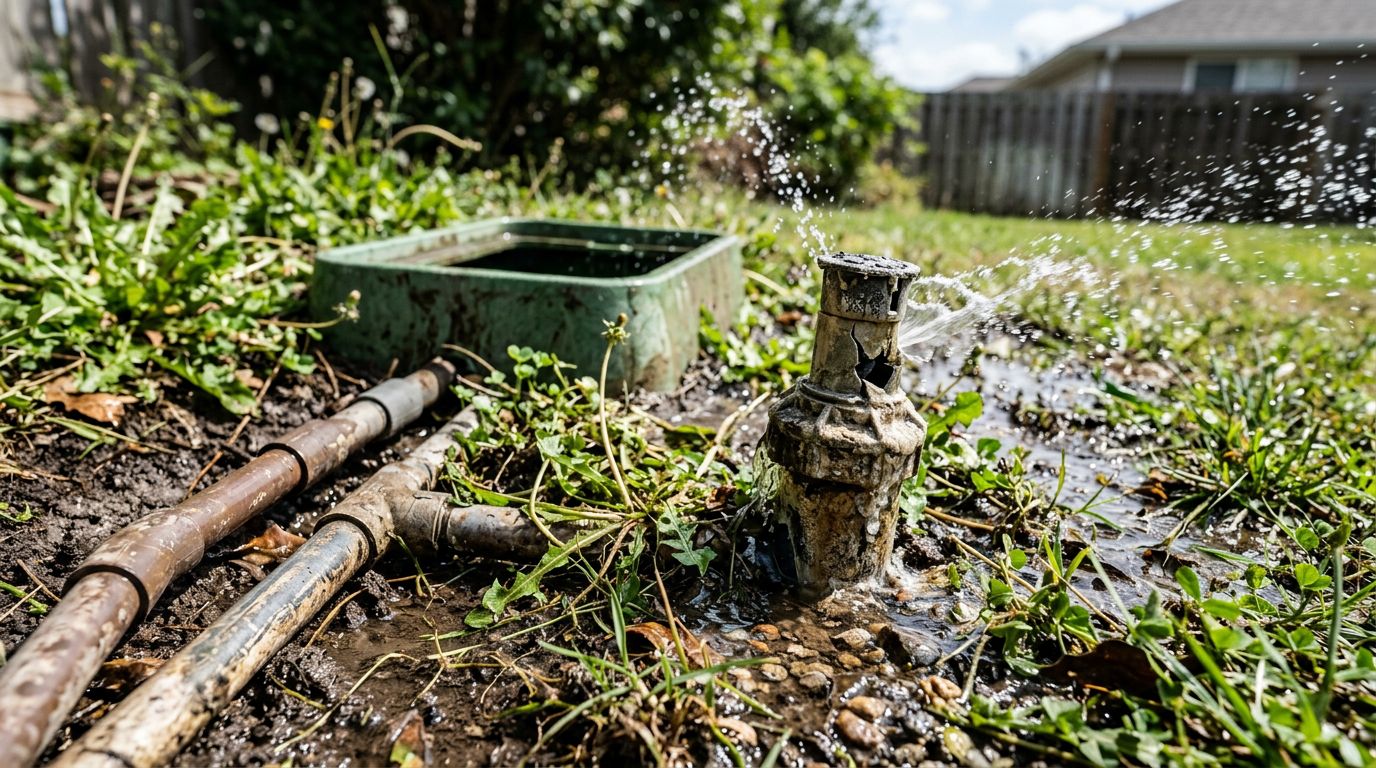
- Cracked or broken sprinkler heads – often caused by mowers, foot traffic, or freezing weather.
- Cloudy or discolored water – this can point to a backflow issue that needs testing.
- Zones that will not turn on or off – a sign of a controller or valve problem.
If you notice any of these, it is time to take a closer look. A backflow issue in particular is worth a professional test, since it can affect the safety of your drinking water.
How to Assess Your Irrigation System for Damage
You do not need to be a pro to do a basic walkthrough of your own system. A regular inspection helps you catch problems early. Follow these steps to give your irrigation system a quick health check. For larger properties, a detailed commercial facility assessment in Austin can uncover issues that are harder to spot on a simple walk-through.
- Turn on each zone one at a time. Watch how the sprinklers run and listen for odd sounds.
- Check every sprinkler head. Look for cracks, clogs, or heads that do not pop up fully.
- Look at the spray pattern. Make sure water hits the lawn and not the pavement.
- Inspect for leaks. Walk the yard and feel for soft or soggy spots underfoot.
- Test your water pressure. Weak or uneven pressure usually means a bigger problem.
- Review your controller settings. Check the schedule, run times, and battery backup.
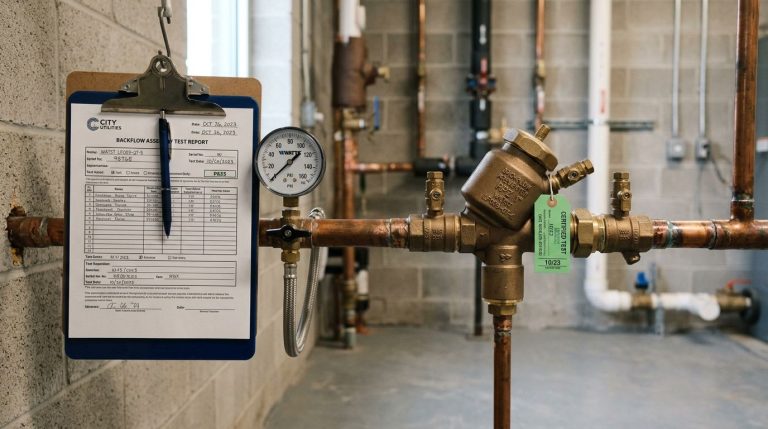
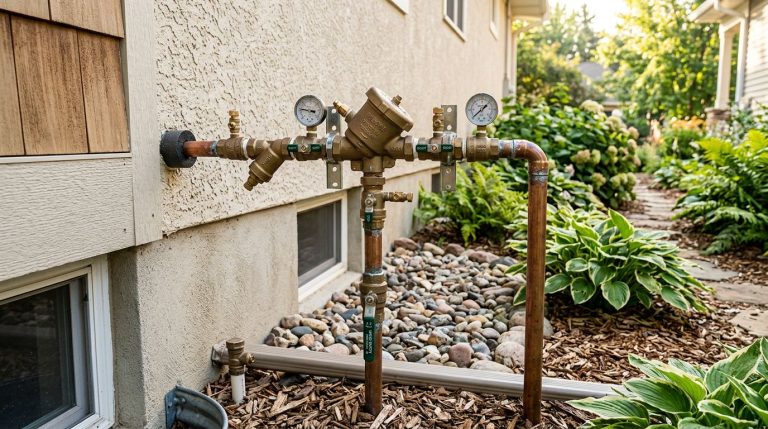
- Examine the backflow device. Look for leaks or corrosion, then schedule a professional test.
- Note any dry or dead patches. These often point to coverage gaps or clogged heads.
Write down anything that looks off. This makes it easier to explain the issue to a technician and get an accurate quote.
What Causes Irrigation System Failures
Understanding WHY systems fail helps you prevent future problems. Here are the most common causes we run into during inspections.
Age and Wear
Nothing lasts forever. Pipes, valves, and sprinkler heads all wear out over the years. Rubber seals dry out, plastic gets brittle, and metal parts corrode. An older system simply needs more attention.
Freezing Weather
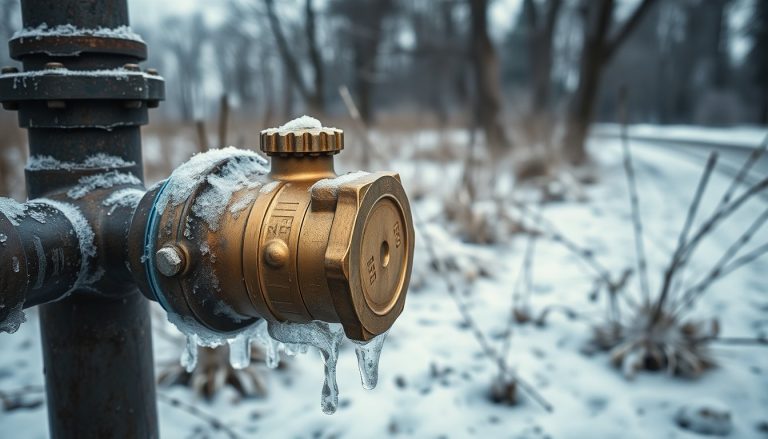
Texas winters can be unpredictable. When a hard freeze hits, water inside uninsulated pipes and backflow devices can expand and crack the parts. This is one of the top causes of spring irrigation failures in our area.
Poor Installation
A system that was rushed or built with cheap parts will cause headaches down the road. Bad connections, incorrect spacing, and undersized pipes all lead to early failures.
Clogs and Debris
Dirt, sand, and mineral buildup can clog sprinkler heads and nozzles. Hard water in Central Texas makes mineral deposits an even bigger issue over time.
Physical Damage
Lawn mowers, string trimmers, foot traffic, and even digging pets can break sprinkler heads and lines. Roots from nearby trees can also crush or shift buried pipes.
Pressure Problems
Too much pressure can blow out heads and seals. Too little pressure means poor coverage. Both put stress on the system and shorten its life.
When Should You Repair vs Replace an Irrigation System
This is one of the most common questions we hear. The answer depends on the age of your system, how often it breaks, and how much repairs are adding up. Sometimes a quick fix is all you need. Other times, replacing the system saves money over the long run. For businesses, a scheduled commercial facility irrigation inspection in Round Rock can help you decide before small repairs pile up. Here is a simple way to think about it.
- Repair when the system is under 10 years old and the problem is limited to one or two zones.
- Repair when the issue is a single broken head, a clogged nozzle, or a simple valve fix.
- Repair when the controller just needs a reset or a battery change.
- Replace when repairs keep adding up month after month.
- Replace when the system is 15 to 20 years old and parts are hard to find.
- Replace when your water bills stay high even after fixes.
- Replace when the layout no longer matches your landscape.
A good rule of thumb: if a single repair costs more than half the price of a new system, replacement is usually the smarter choice.
How Much Does an Irrigation System Assessment Cost in 2026
Cost is always a fair question, and prices vary based on the size of your property and the type of inspection you need. A basic residential assessment costs less than a full commercial evaluation. Backflow testing is often priced separately because it requires a certified tester. If you manage a larger site, a dedicated commercial irrigation inspection in Leander gives you a full picture of system health. Here are the general factors that shape your final cost.
- Property size – larger lawns and multiple zones take more time to inspect.
- Type of inspection – a full assessment costs more than a basic once-over.
- Backflow testing – this is a separate certified service required by many local rules.
- System age and condition – older systems may need more detailed review.
- Repairs found – any fixes are quoted on top of the assessment fee.
- Residential vs commercial – commercial sites usually involve more valves, zones, and paperwork.
We always recommend getting a clear, itemized quote before any work begins. That way you know exactly what you are paying for with no surprises.
How to Prevent Irrigation System Damage
The best way to avoid costly repairs is regular upkeep. A little prevention goes a long way. Here are the habits that keep your system running strong year after year.
Schedule Regular Inspections
A yearly professional check catches small issues before they grow. Spring is a great time to inspect after winter weather and before the hot season kicks in.
Winterize Your System
Before a hard freeze, drain your lines and protect your backflow device. This simple step prevents cracked pipes and broken parts when temperatures drop.
Keep Sprinkler Heads Clean
Clear away grass, dirt, and mineral buildup from nozzles. Clean heads spray evenly and use less water.
Watch Your Water Pressure
Keep pressure in the right range. A pressure regulator protects your seals and heads from blowing out.
Test Your Backflow Device Annually
Backflow testing keeps your drinking water safe and is required in many areas. A certified test each year keeps you compliant and gives you peace of mind.
Adjust for the Seasons
Update your controller schedule as the weather changes. Less watering in cooler months saves money and reduces wear.
Fix Small Problems Fast
Do not wait on a broken head or a small leak. Quick fixes are cheap. Ignored problems get expensive.
Conclusion
Your irrigation system is a big investment in your property. Knowing the warning signs, doing regular assessments, and staying on top of maintenance will keep it running well for years. Watch for uneven watering, high water bills, soggy spots, and low pressure. When repairs start piling up, weigh the cost of fixing against replacing. And never skip your annual backflow test.
At Safewater Backflow And Irrigation, we proudly serve Austin, Round Rock, Cedar Park, Leander, Georgetown, Pflugerville, Kyle, San Marcos, and the nearby communities. If you have noticed any of the warning signs in this guide, reach out to schedule a professional assessment and keep your system in top shape for 2026.