
How Backflow Preventers Protect Drinking Water (Safety Explained)
Clean drinking water is something most of us take for granted. You turn on the tap, fill your glass, and never think twice about what keeps that water safe. But behind the scenes, a small but MIGHTY device called a backflow preventer works hard to keep contaminated water from sneaking back into your clean supply. At Safewater Backflow And Irrigation, we’ve spent years helping homeowners and businesses across Austin understand exactly how these devices protect their drinking water — and why they matter more than most people realize.
In this guide, we’ll break down what backflow preventers do, how they work, and why regular testing is essential. Whether you’re in Round Rock, Cedar Park, or right here in Austin, this is the stuff that keeps your family (and your community) safe.
What Is a Backflow Preventer and How Does It Work
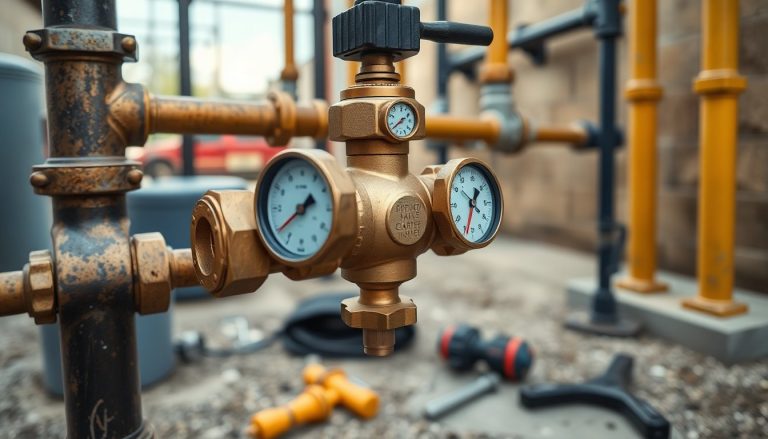
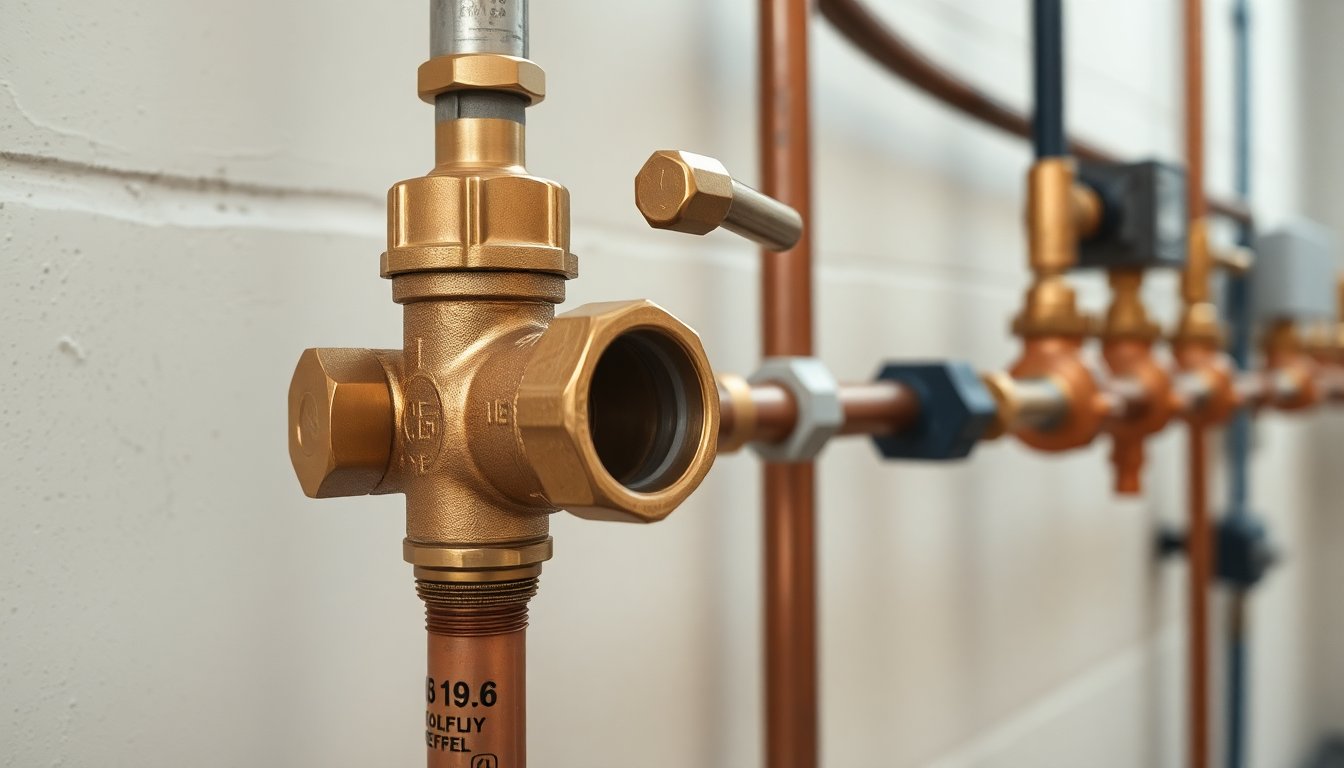
A backflow preventer is a plumbing device designed to stop water from flowing BACKWARD through your pipes. Normally, water moves in one direction — from the municipal supply into your home or building. But under certain conditions, that flow can reverse. When it does, dirty or contaminated water can be pulled back into the clean water system. That’s where the backflow preventer steps in.
Think of it like a one-way gate. Water flows freely in the correct direction, but the moment it tries to reverse, the device closes off and blocks it. This simple mechanism protects your drinking water from pollutants, chemicals, and bacteria that could otherwise contaminate the supply.
Here’s what a backflow preventer actually does:
- Allows water to flow in ONE direction only (toward your fixtures)
- Automatically seals off when pressure conditions change
- Blocks contaminated water from re-entering the clean supply
- Protects against both backpressure and back-siphonage
- Keeps irrigation chemicals, boiler water, and other contaminants out of your drinking water
- Works quietly and automatically — no manual operation required
What Causes Backflow in Plumbing Systems
Backflow doesn’t just happen randomly. It’s caused by specific changes in water pressure. Understanding these causes helps explain WHY prevention is so important.
Back-Siphonage
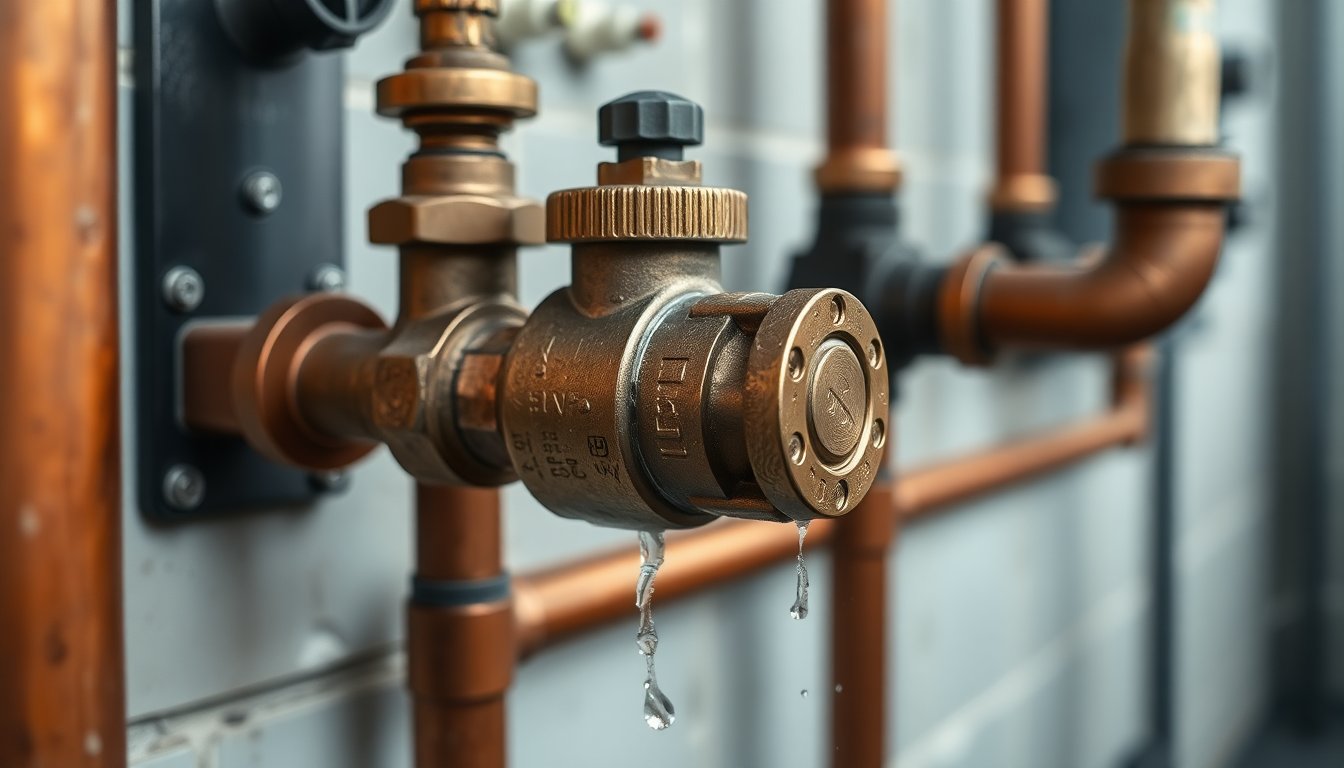
Back-siphonage happens when there’s a sudden drop in water pressure in the main supply. This creates a vacuum effect — kind of like sucking liquid through a straw. When the pressure drops, water can get pulled BACKWARD, dragging contaminants along with it. A common cause? A water main break or heavy demand nearby (think firefighters using a hydrant during an emergency).
Backpressure
Backpressure occurs when the pressure in a downstream system becomes HIGHER than the pressure in the supply line. This can push water backward against the normal flow. It often happens with boilers, pumps, or elevated tanks — anything that creates extra pressure in the plumbing system.
Cross-Connections
A cross-connection is any point where your clean water supply could potentially meet a source of contamination. Think garden hoses left in buckets, irrigation systems, or industrial equipment. These connection points are where backflow becomes dangerous — because they give contaminants a pathway into your drinking water.
Nearby Water Emergencies
Fire suppression, hydrant flushing, and unexpected line breaks can all cause dramatic pressure swings. In areas like Pflugerville and Georgetown, where systems serve growing populations, these events aren’t rare. That’s exactly why backflow preventers are required in so many settings.
Types of Backflow Preventers and Their Uses
Not all backflow preventers are the same. Different situations call for different devices, depending on the level of risk involved. Some protect against low-hazard situations (like nuisance contaminants), while others are built for HIGH-hazard scenarios (like toxic chemicals). Choosing the right one matters — and it’s usually determined by local codes and the specific application.
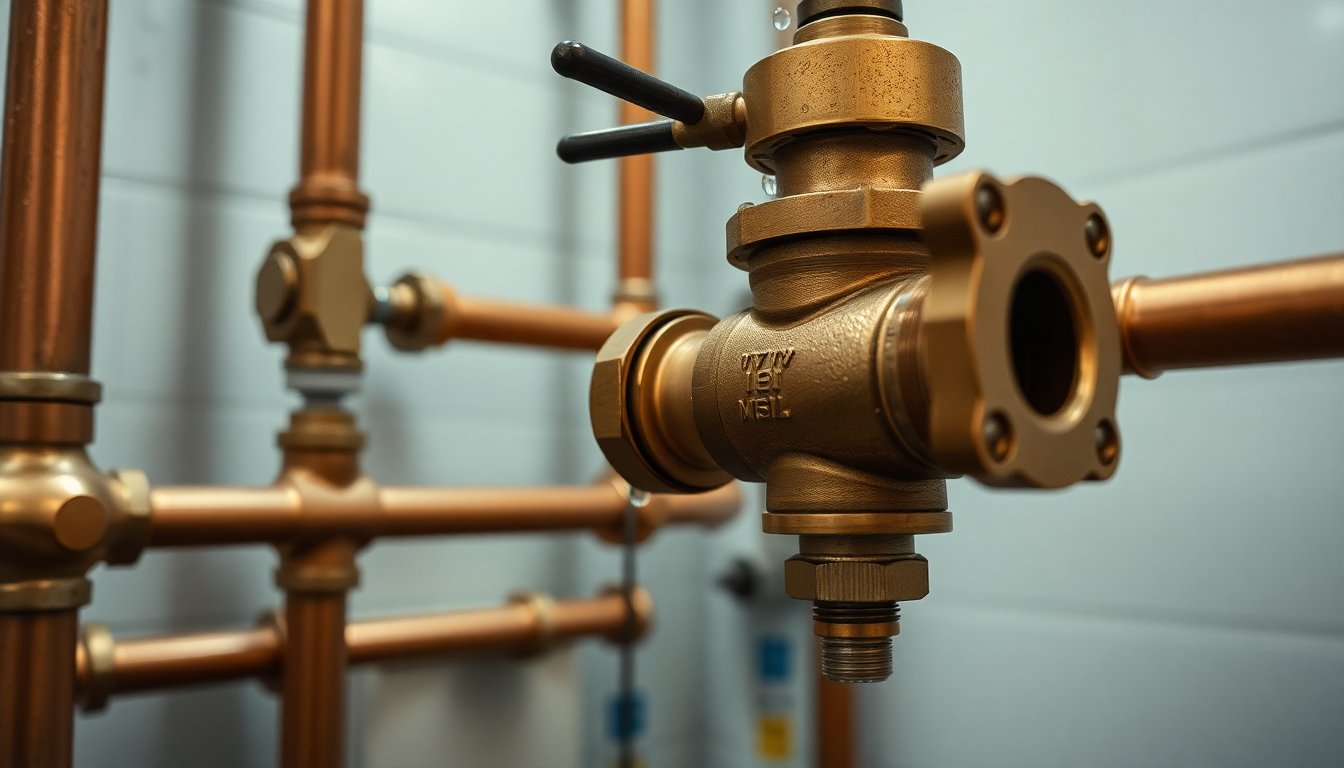
Here are the most common types we work with:
- Reduced Pressure Zone (RPZ) Assembly — The gold standard for high-hazard applications. Used where contamination could be dangerous, like commercial buildings and irrigation systems with chemical injection.
- Double Check Valve Assembly (DCVA) — Great for low-to-medium hazard situations. Common in fire sprinkler systems and some residential setups.
- Pressure Vacuum Breaker (PVB) — Frequently used for lawn irrigation systems. Protects against back-siphonage but not backpressure.
- Atmospheric Vacuum Breaker (AVB) — A simpler, lower-cost option for certain low-hazard uses. Cannot be under continuous pressure.
- Air Gap — The most basic (and reliable) method. A physical gap between the water outlet and any potential contamination source.
If you’re unsure which device fits your property, that’s something we help sort out during a backflow testing appointment. The right choice depends on your setup — residential, commercial, or fire protection.
Why Backflow Prevention Matters for Drinking Water Safety
This is the heart of it all. Backflow prevention isn’t just a code requirement — it’s a public health safeguard. Here’s why it matters so much.
Protecting Your Family’s Health
Contaminated water can carry bacteria, pesticides, fertilizers, and harmful chemicals. If backflow occurs without a working preventer, these substances could end up in the water you drink, cook with, and bathe in. A properly functioning backflow preventer keeps that from happening — QUIETLY protecting your household every single day.
Safeguarding the Community Water Supply
Backflow doesn’t just affect one home. A single cross-connection can potentially contaminate the water supply for an entire neighborhood or system. That’s why cities like Austin, Kyle, and San Marcos take backflow prevention so seriously. When everyone maintains their devices, the whole community stays safer.
Meeting Legal and Code Requirements
Most municipalities REQUIRE backflow preventers on commercial properties, irrigation systems, and fire suppression systems. Annual testing is often mandated by law. Skipping it isn’t just risky — it can lead to fines or even a shutoff of your water service.
Preventing Costly Contamination Events
A backflow incident can be expensive to clean up and even harder to recover from (reputation-wise, if you’re a business). Prevention is always cheaper than dealing with a contamination event after the fact. A little maintenance goes a LONG way.
How Often Should Backflow Preventers Be Tested and Inspected
Backflow preventers have internal parts — springs, seals, valves — that wear out over time. Because you can’t SEE these components working, the only way to know your device is functioning correctly is through professional testing. Most local regulations require annual testing, but some situations call for more frequent checks.
Here’s a general timeline to follow:
- At installation — Every new backflow preventer should be tested right after it’s installed to confirm it works properly.
- Annually — Most cities (including many around the Austin area) require yearly testing for residential and commercial devices.
- After repairs — Any time the device is repaired or replaced, it should be retested to verify performance.
- After a freeze or damage event — Texas cold snaps can crack internal components, so testing after freezing weather is smart.
- When required by your water provider — Some utilities send annual reminders and require documented test results.
We handle residential backflow testing and commercial backflow testing throughout Leander, Anderson Mill, West Lake Hills, and the surrounding areas. Staying on schedule keeps you compliant — and keeps your water safe.
Signs of a Failing Backflow Preventer
While testing is the only sure way to confirm a problem, there are warning signs that something might be wrong. If you notice any of these, it’s worth scheduling an inspection sooner rather than later. A failing device can leave your water supply UNPROTECTED — and you don’t want to wait until it’s too late.
Watch for these red flags:
- Discolored or cloudy water — Brown, yellow, or murky water could signal contamination entering your supply.
- Unusual taste or odor — A chemical, metallic, or sulfur smell is never a good sign.
- Water leaking from the device — Constant dripping or pooling around the preventer often means an internal seal has failed.
- Reduced water pressure — A sudden drop in pressure can indicate a stuck or malfunctioning valve.
- Visible corrosion or damage — Rust, cracks, or mineral buildup on the device suggest it needs attention.
- Sputtering or inconsistent flow — Air in the lines or irregular flow may point to a mechanical issue.
- Failed annual test — The clearest sign of all — if it fails testing, it needs repair or replacement.
If you spot any of these, don’t ignore them. A quick professional inspection can catch small problems before they become big (and expensive) ones. For businesses relying on fire hydrant inspection or a customer service inspection, catching issues early is even more critical.
Conclusion
Backflow preventers may be small, but they play a HUGE role in keeping our drinking water clean and safe. They stop contaminated water from reversing course, protect your family’s health, and help safeguard the entire community’s water supply. From understanding how they work to recognizing the signs of failure, staying informed is the first step toward staying protected.
The most important takeaway? Regular testing and inspection are ESSENTIAL. These devices work silently, so you won’t know there’s a problem until it’s tested — or until something goes wrong. At Safewater Backflow And Irrigation, we’re proud to help homeowners and businesses across Austin and nearby communities like Round Rock, Georgetown, Cedar Park, and San Marcos keep their water safe. If it’s been a while since your last backflow test, now’s the perfect time to schedule one — and enjoy the peace of mind that comes with clean, protected water.