
Customer Service Inspection Water Connection (Complete Guide 2026)
If you’re building a new home, opening a business, or connecting to a new water meter here in Central Texas, chances are you’ve heard the term Customer Service Inspection (CSI) thrown around — and it can feel confusing fast. At Safewater Backflow And Irrigation, we handle these inspections every single day across Austin and the surrounding areas, and we know exactly what your local water utility is looking for before they turn on your service.
This complete 2026 guide breaks down everything you need to know about a Customer Service Inspection for water connections — what it is, why it’s required, what we check, what it costs, and how to pass on the first try. Let’s dig in.
What Is a Customer Service Inspection (CSI) for Water Connections
A Customer Service Inspection (often shortened to CSI) is a mandatory plumbing and cross-connection inspection required by the Texas Commission on Environmental Quality (TCEQ). In plain English — it’s an inspection that confirms your private plumbing won’t contaminate the public water supply BEFORE the utility connects you to their system.
It’s not a code inspection like your city inspector performs during construction. Instead, it focuses specifically on protecting DRINKING water. A licensed Customer Service Inspector (or a licensed plumber) checks a handful of critical items and then files a certificate with the water provider.
Here’s what a CSI generally covers:
- Cross-connection hazards — anything that could allow contaminated water to flow backward into the potable supply.
- Illegal plumbing connections — like connections between well water and city water.
- Lead content in the plumbing — verifying materials meet current safe standards.
- Backflow prevention devices — confirming they exist where required (irrigation, boilers, etc.).
- Proper pressure and connection integrity at the water service point.
Once everything checks out, we issue a signed CSI certificate — and THAT’S what your water utility needs to establish service.
Why Is a CSI Required Before Establishing Water Service
The short answer? Public health and state law. Texas requires a CSI on new service connections (and certain existing ones) to make sure private plumbing systems don’t put the community’s water at risk. It’s a safeguard that protects everyone connected to the same water main — not just you.
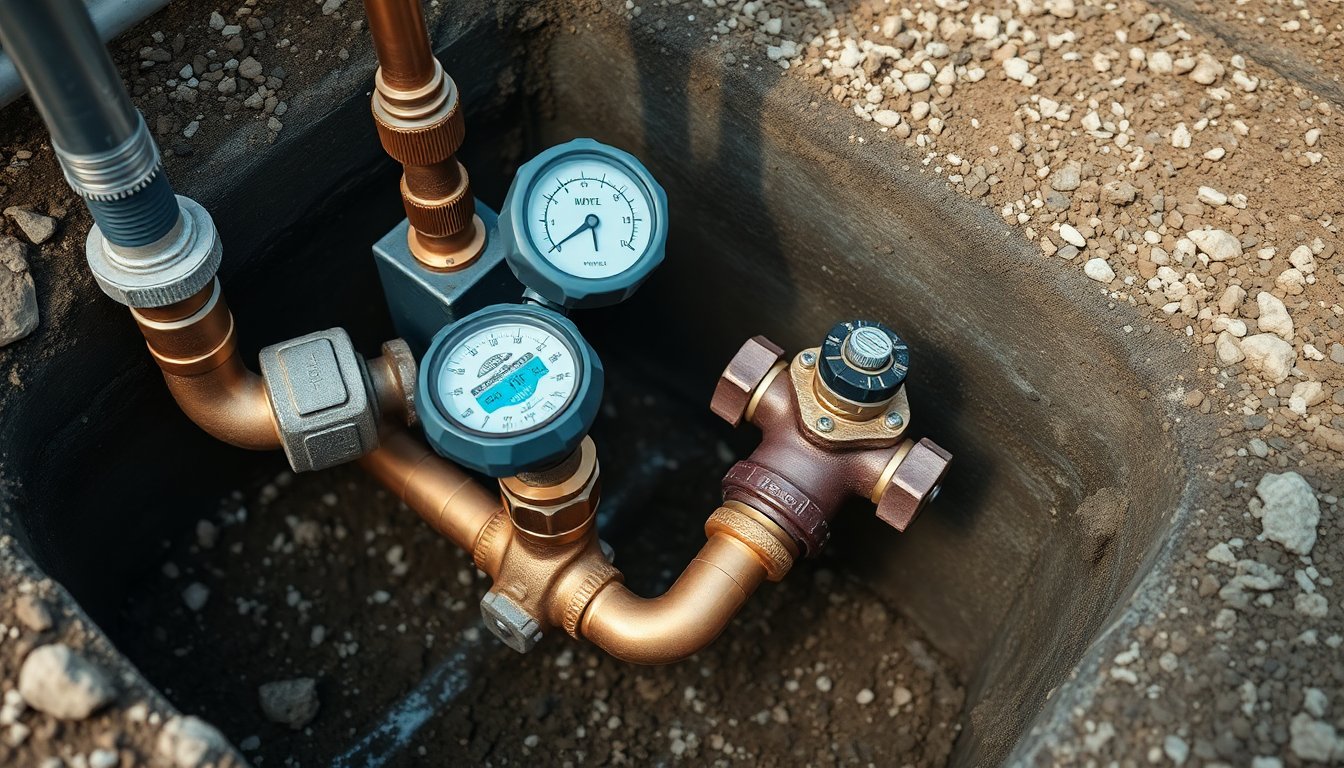
Here are the main reasons a Customer Service Inspection is required before your water gets turned on:
- State regulation compliance. TCEQ rules (30 TAC Chapter 290) require utilities to verify no cross-connections exist before providing continuous service.
- Contamination prevention. Backflow events can pull chemicals, bacteria, or debris into the drinking water — a CSI catches these risks early.
- New construction verification. Any newly built home or commercial property needs a CSI before initial service is established.
- Meter upgrades or changes. When a meter is upgraded or a service line is materially changed, a fresh inspection is often required.
- Utility liability protection. The water provider needs documentation proving the connection was inspected and approved.
Bottom line — no CSI certificate usually means no water service. It’s one of those steps that’s easy to overlook until you’re standing in a brand-new house with no working faucets.
What Does a Water Connection Inspection Check For
A CSI is thorough but focused. We’re not looking at every square inch of your plumbing — we’re targeting the specific hazards that matter most for water safety. Here’s a breakdown of the key areas we inspect.
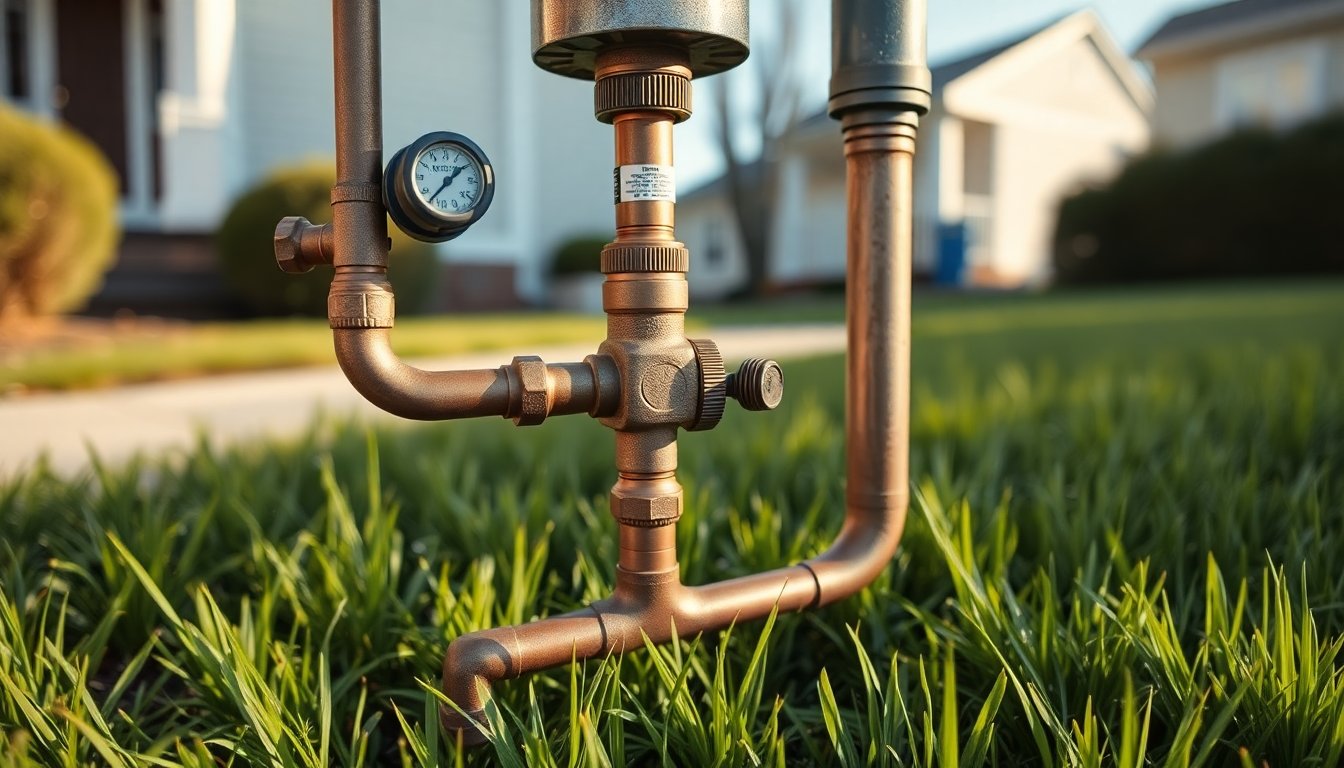
Cross-Connections and Backflow Hazards
This is the big one. A cross-connection is any physical link between potable (drinkable) water and a source of contamination. Think garden hoses left in buckets, irrigation systems without protection, or chemical injection setups. We identify these and confirm the right backflow prevention is in place.
Backflow Prevention Assembly Verification
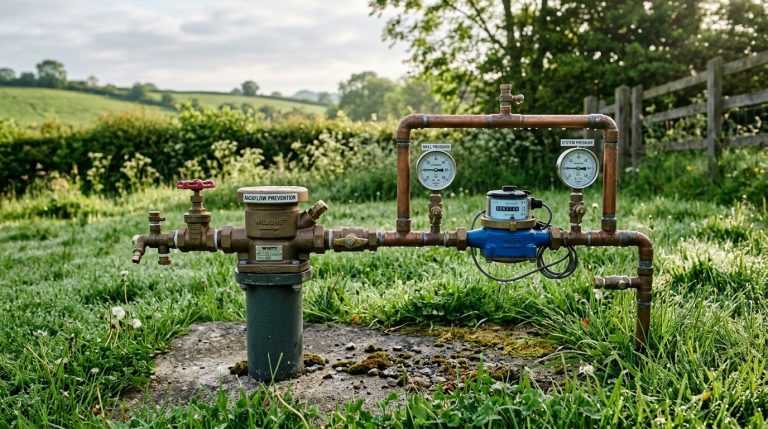
If your property has an irrigation system, a fire suppression line, a boiler, or any other high-hazard connection — it needs an approved backflow prevention device. We verify the device exists, is the correct type, and is properly installed. (In many cases, we can test it too.)
Lead-Free Plumbing Materials
Federal and state law limit the lead content in plumbing that carries drinking water. During a CSI, we check that solder, pipe, and fittings on newer systems meet the lead-free standard. This is ESPECIALLY important on newly built or recently repiped homes.
Illegal or Unapproved Connections
We look for any connection that shouldn’t be there — like a private well tied into the city supply, or a rainwater harvesting system connected without proper separation. These are serious hazards and must be corrected before approval.
Water Pressure and Service Integrity
We confirm the service connection is sound and pressure is within acceptable range. Low or erratic pressure can sometimes signal deeper issues — better to catch them now than after service is live.
Pressure Relief and Thermal Expansion
On systems with water heaters (and especially closed systems with a check valve or backflow device), thermal expansion can create dangerous pressure buildup. We check that proper relief measures — like an expansion tank — are present when needed.
How to Schedule and Prepare for Your CSI Inspection
Scheduling a Customer Service Inspection doesn’t have to be stressful. In fact, a little prep goes a LONG way toward passing on the first visit. We recommend booking your inspection once your plumbing is fully installed but before you’re relying on water service — that timing keeps your project moving without delays.
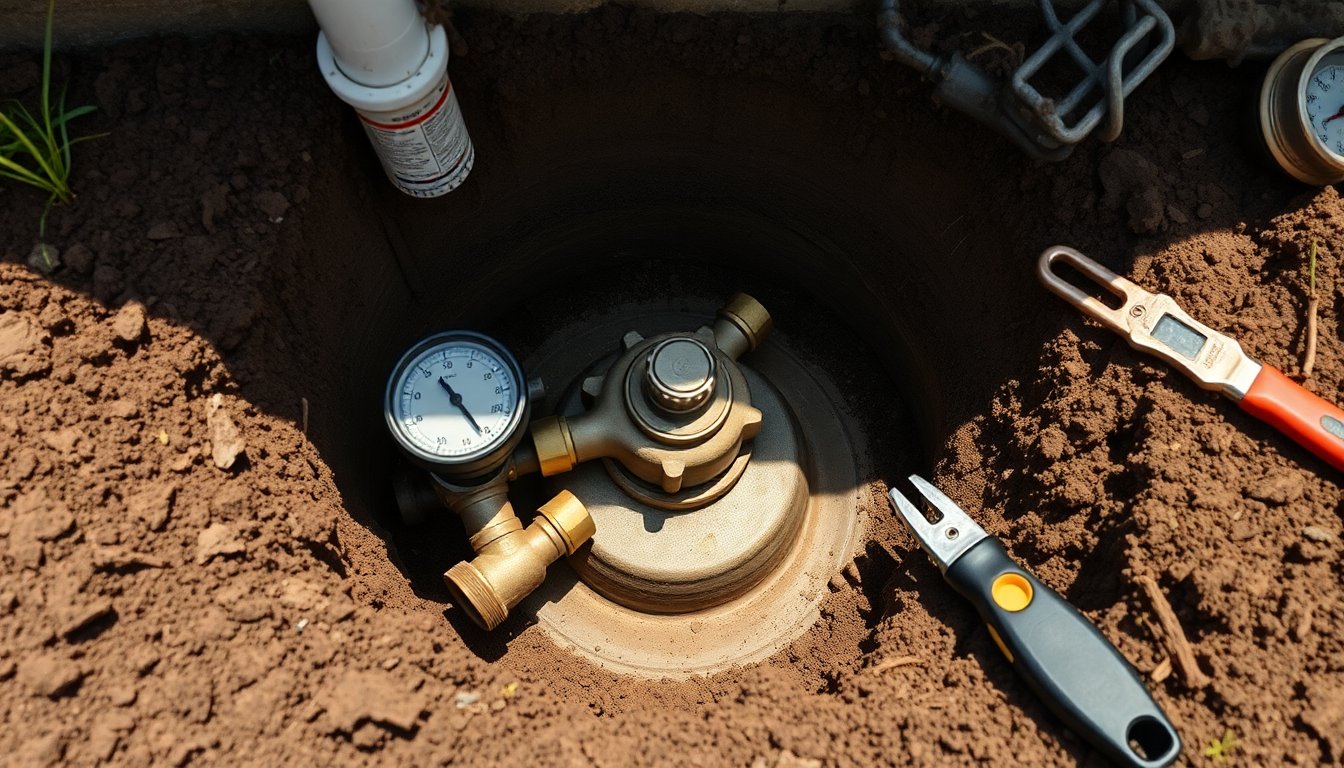
Follow these steps to schedule and prepare:
- Confirm your utility’s requirement. Check with your water provider (Austin Water, a local MUD, or another utility) to confirm they need a CSI and what form they accept.
- Schedule with a licensed inspector. Reach out to us to book a time that fits your construction or move-in timeline.
- Make sure the system is accessible. Clear access to the water meter, backflow devices, water heater, and irrigation controller.
- Have your paperwork ready. Address, meter number, builder info, and any permit details help us move fast.
- Finish visible plumbing work first. Exposed connections should be complete so we can inspect them properly.
- Ensure water is available for testing. If we’re testing backflow devices, we need water flow at the meter.
Once we complete the inspection and everything passes, we file (or hand you) the signed CSI certificate — and you’re cleared to establish service. If something needs fixing, we’ll tell you EXACTLY what and why, so there’s no guesswork.
How Much Does a Customer Service Inspection Cost in 2026
Cost is always a fair question — and the honest answer is: it depends. A basic residential CSI is typically affordable and quick, while commercial properties or sites with multiple backflow devices take longer and cost more. In 2026, pricing in the Austin area generally reflects the size and complexity of the property.
Here’s a general breakdown of what affects your CSI cost:
- Property type — residential inspections cost less than commercial ones (more connections = more time).
- Number of backflow devices — each device that needs testing may add to the total.
- Property size and layout — larger properties or hard-to-access components take more time.
- Combined services — bundling a CSI with backflow testing often saves money overall.
- Repairs or re-inspection — if corrections are needed, a follow-up visit may apply.
- Location — travel to outlying areas (like San Marcos or Georgetown) can factor in slightly.
Our advice? Ask for an upfront quote and confirm what’s included. A reputable inspector (like our team at Safewater) gives you clear pricing with NO surprise fees. And if we can bundle your inspection with backflow testing, you’ll usually come out ahead.
Common Reasons a CSI Fails and How to Fix Them
Nobody wants a failed inspection — it delays water service and adds a re-inspection. The good news? Most CSI failures come from a handful of predictable issues, and nearly all of them are fixable. Here are the most common problems we see (and how to handle them).
- Missing or wrong backflow device. Irrigation systems and fire lines NEED the right assembly. Fix: install a code-approved backflow preventer and have it tested.
- Unprotected hose bibbs. Outdoor faucets without vacuum breakers are a classic fail. Fix: add inexpensive hose bibb vacuum breakers — quick and cheap.
- Cross-connections between water sources. A well or rainwater system tied into city water is an automatic fail. Fix: physically separate the systems or add proper protection.
- Non-compliant (leaded) materials. Older solder or fittings on new work won’t pass. Fix: replace with lead-free components.
- No thermal expansion control. Closed systems without an expansion tank can fail. Fix: install an expansion tank on the water heater line.
- Inaccessible components. If we can’t reach the meter or device, we can’t inspect it. Fix: clear the area before the visit.
- Incomplete plumbing. Unfinished connections can’t be certified. Fix: complete all visible plumbing before scheduling.
The easiest way to AVOID a failure? Prep ahead of time and work with an inspector who tells you what’s needed before the visit — not after. When we spot an issue, we walk you through the fix so your re-inspection is smooth and fast.
Conclusion
A Customer Service Inspection is a small but crucial step in getting water service turned on at your property — and it exists to protect YOUR water and everyone else’s. To recap: a CSI checks for cross-connections, backflow hazards, illegal connections, and lead-free materials, and it’s required by Texas law before most new water connections. With a little preparation (and the right inspector), passing is straightforward.
At Safewater Backflow And Irrigation, we perform Customer Service Inspections, backflow testing, and fire hydrant inspections across Austin, Round Rock, Cedar Park, Georgetown, Kyle, San Marcos, Pflugerville, Leander, and beyond. If you’ve got a new connection on the way, let us handle the inspection so you can get your water flowing — safely and on schedule.