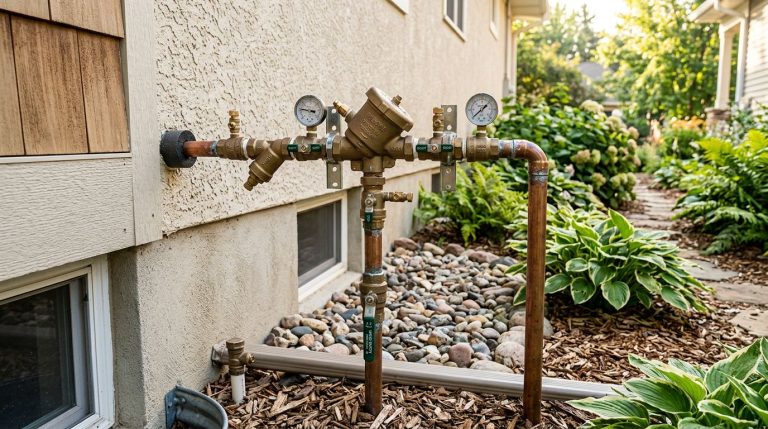

Backflow Testing in Texas: What You Need to Know
Curious about backflow testing in Texas and why it’s a crucial step for your water safety? At Safewater Backflow And Irrigation, we are experts in ensuring clean and safe water for your home or business in Austin and surrounding areas. Backflow testing is essential in Texas to prevent contaminated water from flowing back into the clean water supply—a potentially hazardous health risk.
We’re here to walk you through everything from the frequency and regulations of backflow testing to how you can prepare for it and what happens if your system doesn’t pass the test. As a leading provider of backflow testing and irrigation services, we’ve got the insights and expertise you need to safeguard your water with ease. Dive in to discover why backflow testing is not just a legal requirement but a vital component of maintaining a healthy, functioning water system!
What is Backflow and Why is Testing Important in Texas?
Backflow is the unwanted reversal of water flow in a plumbing system. Instead of flowing out, water reverses direction, potentially carrying contaminants like chemicals, waste, or bacteria into the clean water supply. This can pose serious health risks if left unchecked.
In Texas, as in many places, backflow prevention and testing are CRUCIAL for protecting public health. The state’s diverse industries and agriculture mean that backflow could introduce hazardous substances into the water supply. Regular testing ensures that backflow prevention devices are functioning properly, keeping drinking water safe and free from contamination.
By understanding the importance of backflow and the necessity of routine testing, Texans can help maintain the integrity of their water systems and safeguard their communities from potential health risks. Up next, we’ll explore how often backflow testing should be conducted in Texas.
How Often Should Backflow Testing Be Conducted in Texas?
In Texas, backflow testing is essential to ensure the safety of drinking water and prevent contamination. Regular testing keeps water systems compliant with state regulations and protects public health. But how often should you really test?
The frequency of backflow testing depends on the type of backflow prevention device and local requirements. Here’s what’s typically recommended in Texas:
- Annually for Most Devices: The general guideline is once a year for most backflow prevention devices. This ensures they function properly and any issues are caught early.
- High-Risk Facilities: Facilities with a higher risk of contamination (like hospitals or chemical plants) might require more frequent testing—sometimes even biannually.
- New Installations: New backflow devices should be tested immediately after installation to ensure they are operating correctly from the start.
- After Repairs or Replacements: Anytime a device is repaired or replaced, test it right away to verify it’s in working order.
Adhering to these testing intervals will help maintain safe water standards and comply with Texas state requirements. Regular testing is not just a regulatory requirement—it’s a critical component of safeguarding your water system.
What Are the Texas Regulations for Backflow Prevention and Testing?
In Texas, backflow prevention is a critical aspect of maintaining safe drinking water. The state’s regulations ensure that contaminants don’t pollute clean water through backflow incidents. Backflow occurs due to pressure changes or siphoning, causing hazardous substances to enter potable water supplies. To safeguard public health, the Texas Commission on Environmental Quality (TCEQ) has set forth specific regulations and guidelines.
Here’s a rundown of key Texas regulations regarding backflow prevention and testing:
- Installation of Backflow Prevention Assemblies: All properties with potential cross-connections to the public water supply must install approved backflow prevention devices. These devices need to comply with TCEQ standards.
- Annual Testing Requirement: Backflow prevention assemblies must be tested annually by licensed professionals to ensure they are working effectively. Test results should be submitted to the local water authority.
- Licensing and Certification: Only certified backflow prevention assembly testers (BPATs) are authorized to conduct tests in Texas. They must hold a valid license issued by TCEQ.
- Record Keeping: Property owners are responsible for maintaining records of installation, maintenance, and testing of backflow prevention assemblies. These records must be provided to the water authority upon request.
- Enforcement and Penalties: Non-compliance with backflow prevention regulations can lead to fines, penalties, or water service termination. Authorities enforce these rules to prevent health hazards and ensure water safety.
Staying informed about these regulations helps protect your property and the health of your community. Up next, we’ll explore how to prepare for a backflow test in Texas.
How Can I Prepare for a Backflow Test in Texas?
Preparing for a backflow test in Texas doesn’t have to be complicated, but it does require some planning. The main goal is to ensure that your testing process is smooth and efficient while adhering to local regulations. Here are some simple steps to help you get ready.
First, start by scheduling the test with a licensed professional. It’s essential that the individual performing the test is qualified—someone who understands the specific requirements in Texas (more on who can do this later). Don’t wait until the last minute, as local testers can sometimes have busy schedules.
Next, clear access to the backflow prevention device. Make sure there’s nothing obstructing the area, as the tester will need to reach it easily to perform the inspection. This not only saves time but also ensures that the test can proceed without any unnecessary hiccups.
In addition, inspect the device beforehand for any obvious signs of damage or wear. While you’re not expected to diagnose problems, being aware of any potential issues can help avoid surprises during the test. If anything looks out of order, better to address it before the official inspection.
Finally, familiarize yourself with the maintenance history of the device. Having records on hand (such as previous test results and repair logs) can be beneficial. These documents provide insight into past performance and any recurring issues that might need attention.
By taking these steps, you’re setting yourself up for a successful, hassle-free backflow test. Stay informed and prepared to ensure your water system meets Texas safety standards. Up next, we’ll discuss who is qualified to perform these tests, ensuring compliance with state regulations.
Who is Qualified to Perform Backflow Testing in Texas?
In Texas, backflow testing isn’t just something anyone can do—it requires a qualified professional. The state mandates that only licensed individuals conduct these tests to ensure public safety and compliance with regulations.
The Texas Commission on Environmental Quality (TCEQ) has specific requirements for backflow testers. To become certified, individuals must complete a state-approved training course. This course covers the essentials, including the mechanics of backflow prevention devices and proper testing procedures.
After finishing the course, aspiring testers must pass a comprehensive exam. This examination tests their understanding and proficiency in backflow testing techniques, ensuring they’re equipped to handle various scenarios they might encounter in the field.
Once certified, these professionals receive a backflow prevention assembly tester (BPAT) license. This credential allows them to perform legally-recognized backflow testing in Texas. It’s an important role that maintains the integrity of the public water supply by preventing contamination.
Property owners should always verify that their hired tester holds a valid BPAT license. It guarantees the tester has the necessary expertise and ensures the test meets all Texas regulations.
Reliable testers also keep up with continuing education. This is crucial to stay informed about the latest technologies and methodologies in backflow prevention. Stored properly, this knowledge allows them to protect both the health of consumers and the surrounding community.
What Are the Consequences of Failing a Backflow Test in Texas?
Failing a backflow test can have SEVERE implications for both property owners and public health. It’s not just a minor inconvenience—it’s a serious issue that requires immediate attention. Here’s what you need to know:
Health and Safety Risks
A failed backflow test might indicate contamination risks. Backflow incidents can introduce harmful pollutants or pathogens into the clean water supply, posing a risk to public health. Addressing this issue promptly is critical to ensure the safety of drinking water.
Legal and Regulatory Consequences
In Texas, failing a backflow test could mean non-compliance with local and state regulations. Property owners may face fines or legal action if they don’t rectify the issue quickly. Compliance with state laws and regulations is crucial to avoid these penalties.
Mandatory Repairs and Re-tests
If your property fails a backflow test, you’ll need to perform the necessary repairs or modifications to your plumbing system. After making these changes, scheduling a re-test is essential to ensure that the issue is resolved and your system passes inspection. The costs of repairs and multiple tests can add up quickly.
Potential Water Service Disruption
In some cases, water service to the property may be temporarily disconnected until the backflow issue is corrected. This can be inconvenient for homeowners and businesses alike, emphasizing the importance of regular maintenance and prompt action on any test failures.
Staying vigilant and proactive with backflow prevention helps avoid these serious consequences, ensuring a safe and reliable water supply.
Conclusion
Regular backflow testing is an integral aspect of maintaining the safety and quality of water supplies in Texas. By ensuring that your residential or commercial properties have properly functioning backflow prevention systems, you can protect against contamination and comply with local regulations. For residents in Austin and surrounding areas, it’s vital to work with experts who understand the nuances of these systems.
At Safewater Backflow And Irrigation, we prioritize your water safety needs with our comprehensive services ranging from backflow testing to fire hydrant inspections. Our team, led by Brad Weyant, is dedicated to providing exceptional service across Austin, Jollyville, Round Rock, and more. Don’t compromise on safety – contact us today at (512) 605-9790 or via email at brad@safewateratx.com for reliable solutions tailored to your specific requirements. We’re here to ensure your water systems remain secure and efficient.