
Backflow Testing Cost Explained (2026 Price Guide)
If you own a home or run a business in Austin, you have probably heard that backflow testing is required every year. And the first question most people ask us is simple: how much does it cost? Understanding backflow testing cost in 2026 helps you budget correctly and avoid surprise fees when your annual test comes due.
At Safewater Backflow And Irrigation, we test backflow devices across Austin and the surrounding areas every day. In this guide we break down real pricing, the factors that move the numbers up or down, and a few smart ways to save money without cutting corners.
How Much Does Backflow Testing Cost in 2026
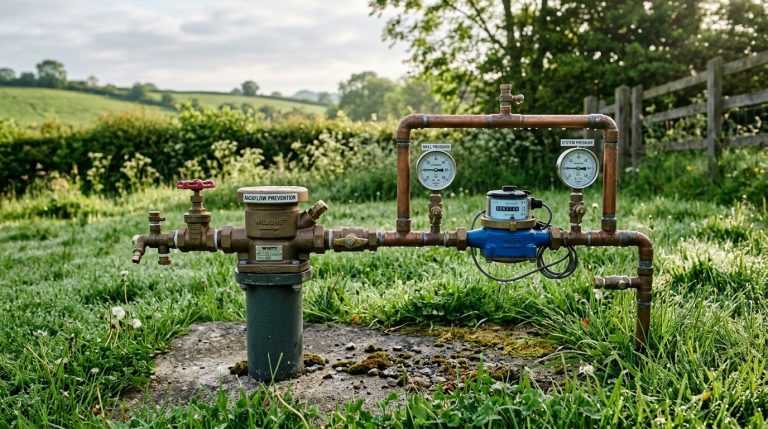
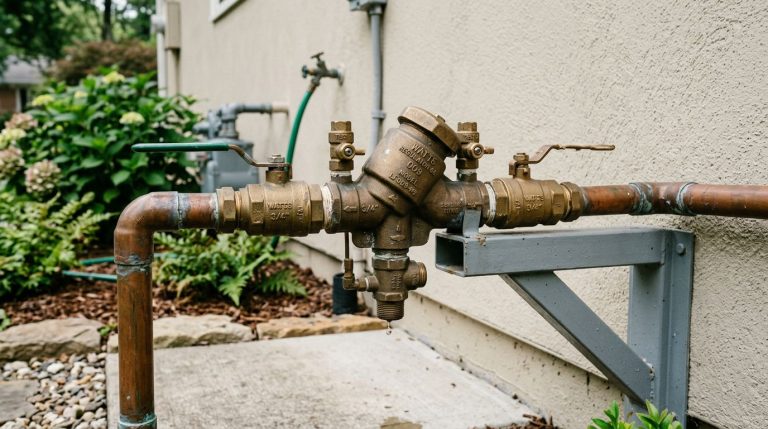
For most homeowners in Austin, a standard backflow test in 2026 falls somewhere between $75 and $150 per device. Commercial properties usually pay more because they often have larger devices, multiple assemblies, and stricter reporting rules. The good news is that a basic residential test is quick and affordable when you hire a certified tester.
Prices are not one-size-fits-all. Here is a general breakdown of what you can expect to pay depending on the property and service type.
- Residential backflow test: $75 to $150 for a single device.
- Commercial backflow test: $100 to $250 per device, sometimes more for large assemblies.
- Multiple devices: Many testers offer a lower per-device rate when several are tested in one visit.
- Fire hydrant inspection: Priced separately and depends on the number of hydrants and access.
- Customer service inspection: Often bundled with new construction or property transfers.
- Emergency or same-day service: Expect a premium over standard scheduling.
Keep in mind these are ballpark figures. Local rules, device size, and how easy the device is to reach all play a role. If you want a clear picture of what testing involves in our area, our overview of backflow testing in Texas walks through the process from start to finish.
What Factors Affect Backflow Testing Prices
Two properties on the same street can pay different amounts for backflow testing. That is because several factors shape the final price. Here are the main ones we see every day.
Device Size and Type
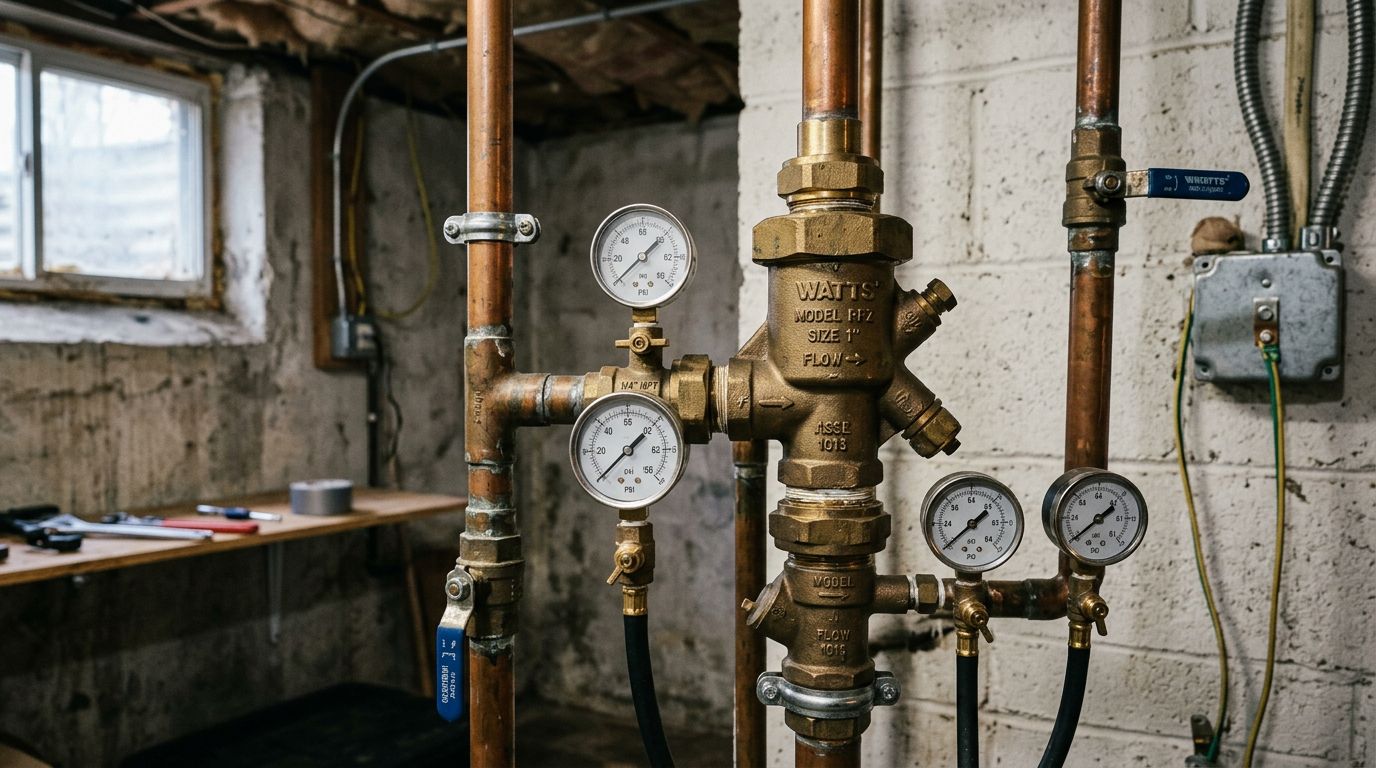
Small residential devices are fast to test and cost less. Larger commercial assemblies take more time, more equipment, and more paperwork. The bigger the device, the higher the price tends to be.
Number of Devices
If your property has just one backflow preventer, you pay for one test. Homes with irrigation systems, pools, and fire lines may have several. Testing them all in one trip usually lowers your per-device cost.
Accessibility
A device sitting in an open yard is easy to reach. One buried in a vault, hidden behind landscaping, or in a tight mechanical room takes longer. Extra time and effort can raise the price.
Property Type
Residential testing is generally simpler and cheaper. Commercial and industrial properties come with tougher requirements, larger equipment, and stricter reporting. That extra work is reflected in the cost.
Location and Local Rules
Cities like Austin, Round Rock, Cedar Park, and San Marcos may have their own filing rules and deadlines. Some water authorities require reports submitted a certain way. That administrative work can factor into the fee.
Repairs Found During Testing
The test itself has a set price. But if the tester finds a failed device, repair or replacement is a separate cost. We always explain any issues before doing extra work, so there are no surprises.
Backflow Testing vs Backflow Repair and Replacement Costs
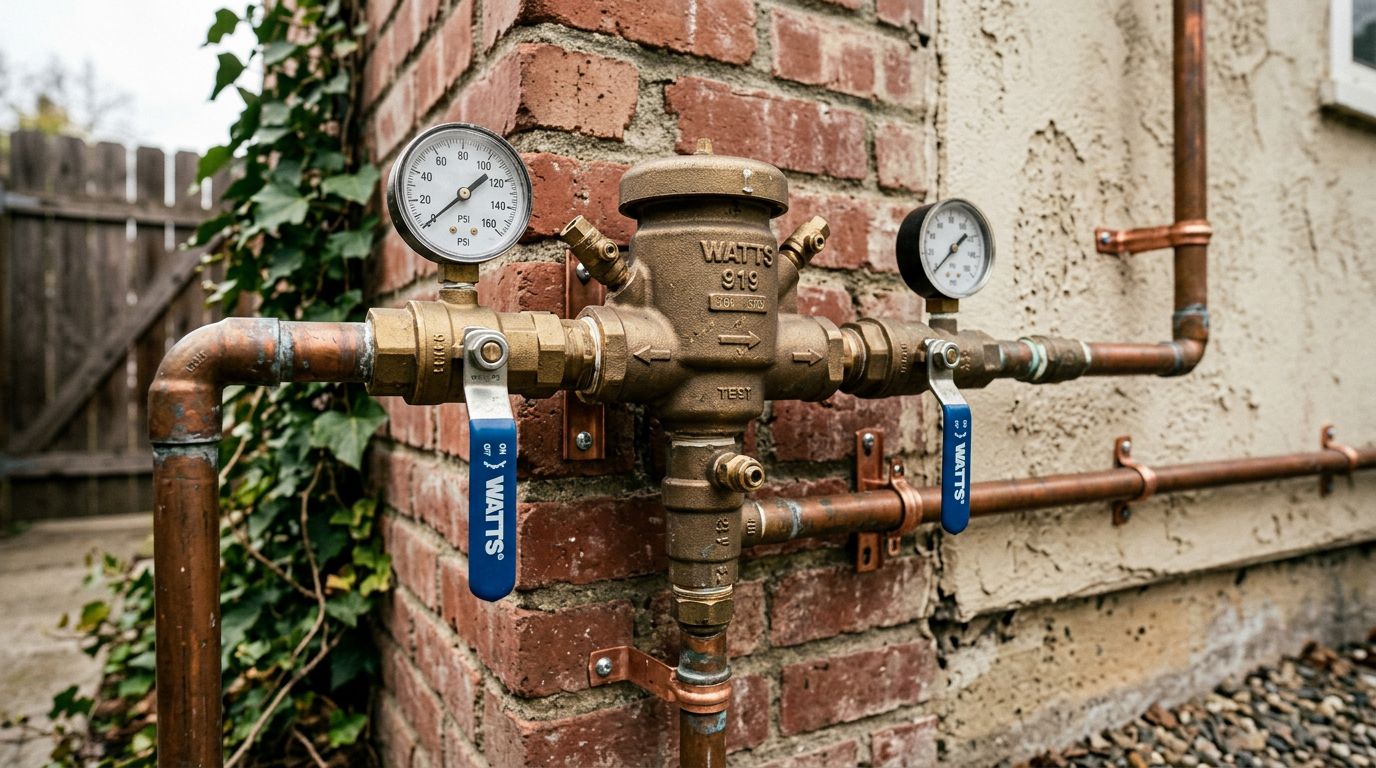
It helps to separate the annual TEST from any repairs. Testing simply confirms your device is working. Repair happens when a part fails and needs fixing. Replacement is needed when the device is too old or too damaged to repair. Understanding the difference keeps your budget realistic. To learn why these devices matter so much, see how backflow preventers protect drinking water in your home and community.
| Service | What It Involves | Typical Cost Range | How Often |
|---|---|---|---|
| Backflow Testing | Annual inspection to confirm the device works | $75 to $250 per device | Once a year |
| Backflow Repair | Replacing worn parts, seals, or springs | $100 to $400+ | Only when a test fails |
| Backflow Replacement | Installing a new device when repair is not possible | $300 to $900+ | Rare, usually older devices |
Most years, you only pay for the test. Repairs and replacements are the exception, not the rule. Regular testing actually helps you catch small problems early before they turn into costly replacements.
How Often Is Backflow Testing Required by Law
In Texas, backflow prevention devices must be tested at least once a year. This is not optional. Local water authorities require annual testing to protect the public water supply from contamination. If you miss your deadline, you may receive notices, fines, or even a water shut-off warning in some cases.
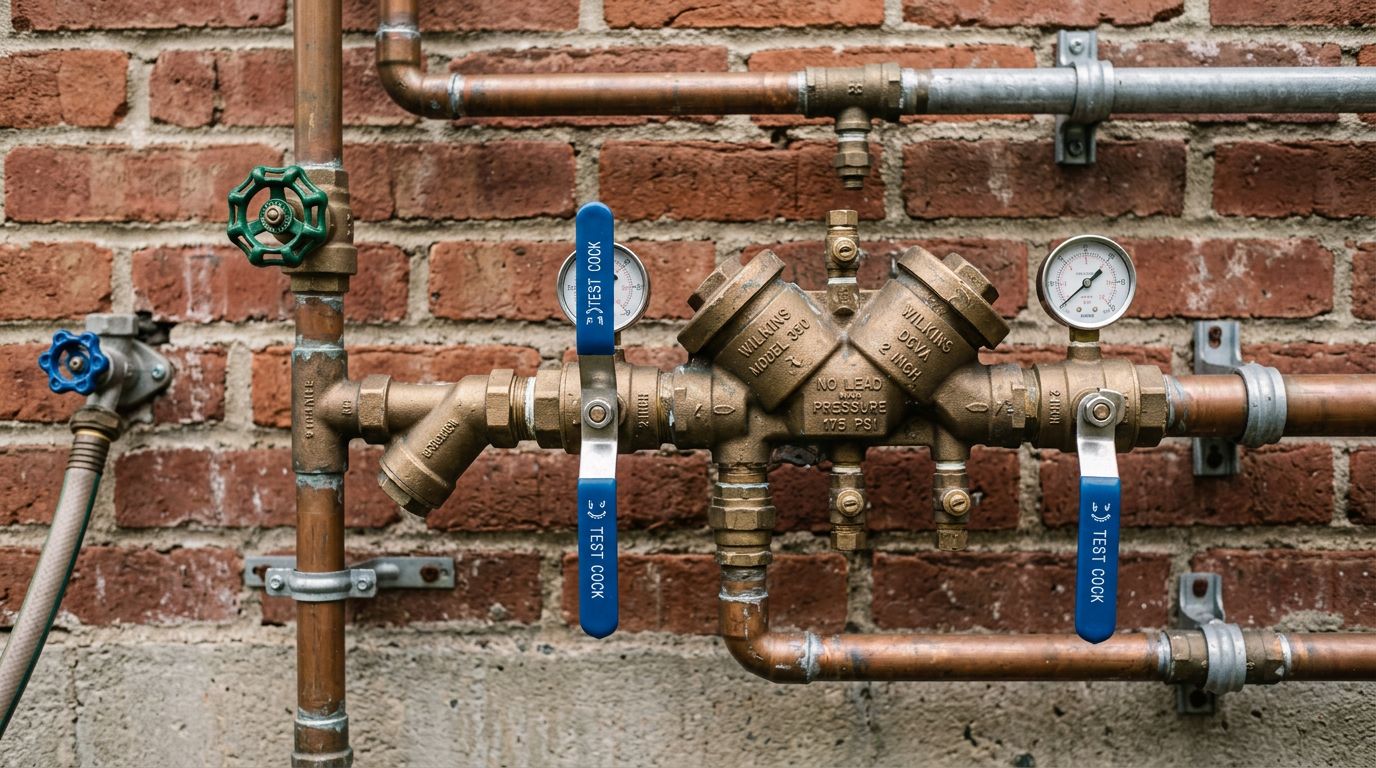
Here is what you generally need to know about testing frequency and requirements in the Austin area.
- Annual testing is standard. Most devices must be tested every 12 months.
- New installations require a test. A newly installed device usually needs testing right away.
- After any repair. Once a device is repaired, it must be retested to confirm it works.
- Reports must be filed. Your tester submits results to the local water authority.
- Commercial properties may face stricter rules. Some businesses have added reporting or shorter windows.
- Deadlines vary by city. Austin, Pflugerville, Leander, and Georgetown may have different filing dates.
The safest approach is to schedule your test before your deadline arrives. Waiting until the last minute can leave you scrambling if a repair is needed.
Who Can Perform Backflow Testing and How to Find a Certified Tester
Not just anyone can test a backflow device. Texas requires a licensed and certified tester to perform the work and file the results. Hiring the right person protects you legally and makes sure the test is done correctly.
Certification Matters
A certified backflow tester has passed the required training and holds the proper license. Water authorities only accept reports from certified professionals. If someone cannot show proof of certification, keep looking.
Local Experience Helps
Rules differ from city to city across the Austin area. A tester who works in Kyle, West Lake Hills, Anderson Mill, and Jollyville knows the local filing requirements. That local knowledge saves you time and keeps your report accepted the first time.
Proper Equipment and Reporting
A good tester uses calibrated test gauges and handles the paperwork for you. When you review our residential backflow testing process in Texas, you can see exactly how a professional test should run from arrival to filing.
Ask a Few Simple Questions
Before you book, ask if the tester is certified, whether they file the report for you, and whether they can handle repairs if needed. A trustworthy company answers these questions clearly and gives you an upfront price.
How to Save Money on Backflow Testing
Backflow testing does not have to strain your budget. With a little planning, you can keep costs low while staying fully compliant. Here are the smartest ways we help our customers save.
- Schedule before your deadline. Rushing into emergency or same-day service usually costs more. Book early and pay the standard rate.
- Bundle multiple devices. If you have several devices, test them all in one visit for a lower per-device price.
- Keep your device accessible. Trim landscaping and clear the area around the device. Easy access can mean less labor time.
- Maintain your system. Regular upkeep helps prevent failures, which means fewer surprise repairs.
- Set an annual reminder. Missing your deadline can lead to fines. A simple calendar reminder keeps you on track.
- Combine services. If you also need irrigation work or a hydrant inspection, ask about doing it in one trip.
- Hire a local certified tester. Working with a nearby pro who knows Austin rules avoids rejected reports and repeat visits.
Small habits add up. When you stay organized and choose the right tester, your yearly cost stays predictable and low.
Conclusion
Backflow testing is a small yearly task that protects your water and keeps you compliant with Texas rules. For most homes, the test runs between $75 and $150 per device, while commercial properties pay a bit more. The final price depends on device size, accessibility, and the number of devices. Repairs and replacements are separate and only needed when a test uncovers a problem.
The key takeaways are simple. Schedule before your deadline, hire a certified local tester, and keep your device accessible to save money. At Safewater Backflow And Irrigation, we help homeowners and businesses across Austin, Round Rock, Cedar Park, San Marcos, and beyond stay protected and compliant. When your annual test is due, reach out and let us handle the testing and the paperwork for you.